







SINOTRUK Sanitation Cleaning Vehicles: Road Cleaning Truck, Sweeper Truck, and Sanitation Solutions
Dirty roads, blocked drains, and airborne dust can make any city look poorly managed and cost more to maintain. When fleets use the wrong truck, cleanup slows, labor costs rise, and public complaints grow. The smarter fix is a purpose-built sanitation fleet matched to the real job.
SINOTRUK Sanitation Cleaning Vehicles are built for road cleaning, dust control, water spraying, and urban maintenance. In practical terms, they include options such as a road cleaning truck, sweeper truck, sprinkler unit, and even sewage suction truck configurations, giving municipal buyers and contractors flexible solutions for daily city service and public works support.
If you work in fleet purchasing, I think you already know the hard truth: city cleaning is not just about buying one truck. It is about choosing the right cleaning vehicle, the right chassis, and the right support partner. That matters even more for overseas buyers who care about export documents, customization, mixed new-and-used sourcing, and long-term service. All Lifecycle positions itself exactly in that space, supplying overseas B2B customers with both new and refurbished Sinotruk and Shacman trucks, plus vehicle selection, customization, export, and after-sales support for real project use.
Why are SINOTRUK sanitation cleaning vehicles important for modern municipal sanitation?
A modern city needs more than workers with brooms and hoses. It needs organized, repeatable, and efficient municipal sanitation systems. That is where sinotruk sanitation vehicles make sense. The product line on All Lifecycle’s site is built around road washing, sweeping, water sprinkling, and dust suppression for daily public-environment work.
I see this as one of the biggest changes in city maintenance. Years ago, buyers often treated a cleaning truck as a simple utility purchase. Today, it is a performance asset. A good fleet improves public hygiene, supports road cleaning, reduces dust, and helps cities maintain highways, squares, airports, industrial zones, and logistics yards more efficiently.
For B2B buyers, the question is not “Do we need a sweeper?” It is “What truck will fit our route length, debris type, water demand, road width, and local service capacity?” That is why an export-oriented supplier that understands special vehicle matching often creates more value than a seller that only lists a truck for sale.
What does a SINOTRUK road cleaning truck actually do?
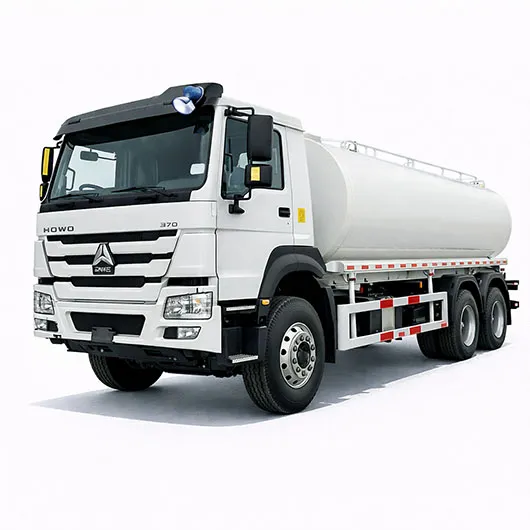
A road cleaning truck is designed to wash, sweep, collect, and control road debris in a more systematic way than manual cleanup. On the SINOTRUK sanitation page, the lineup is framed around road washing, sweeping, water spraying, and dust control, rather than one single narrow function.
In real use, a road sweeper may combine brushes, a water tank, a water system, and debris collection functions to support daily road sweeping. A road washing vehicle can use high pressure water or controlled spray systems to clean paved surfaces. Some models are focused on dust suppression, while others are built for multi-function sanitation cleaning work.
That flexibility matters. One city may need a street sweeper for downtown maintenance. Another may need a washing and cleaning truck for highways and industrial roads. A contractor may need a truck mounted sprinkler and dust-control setup for a construction site. The truck is also a tool for image, safety, and work efficiency.
How do sweeper truck, road sweeper truck, and sweeper models differ?
Many buyers use these terms loosely, but there are useful differences. A sweeper truck is a broad term for a vehicle that cleans roads mechanically. A road sweeper truck usually emphasizes paved-surface service, especially for urban roads, highways, and industrial routes. A sweeper may refer to the full vehicle or to the operating concept itself.
From a buyer’s point of view, the real difference comes down to work design. Some units focus more on sweeping and debris pickup. Some add road washing and spray functions. Some are built as a transportation specialized vehicle sweep truck for wider sanitation tasks. The All Lifecycle page highlights multi-function operation, which is important because many overseas buyers want fewer vehicles doing more work.
How do water tank, spray, flush, and high pressure cleaning systems improve performance?
This is where sanitation trucks become much more than mechanical sweepers. A well-designed water tank helps manage dust, soften dirt, and support better debris pickup. A good spray pattern can reduce airborne particles before brushes even touch the surface.
Many municipal operators now prefer units with high pressure or high-pressure cleaning capability because these systems can flush stubborn dirt from curbs, pavement joints, and work zones. A high pressure water setup with a proper water pump, nozzle, and sometimes a water gun can clean where a simple brush cannot. That is especially useful on industrial roads and construction exits.
Some trucks also include features such as one-button control, low water level alerts, and adjustable sprinkler or spray modes. These are small details, but they improve daily operation. In my experience, operators care about those features more than buyers expect.
Core cleaning functions buyers should compare
- Road washing coverage
- Brush width and sweeping efficiency
- Dust-control and dust suppression mode
- High-pressure washing performance
- Clean water tank capacity
- Pump reliability and valve layout
- Water-saving logic for long shifts
Why is chassis reliability so important for a cleaning vehicle?
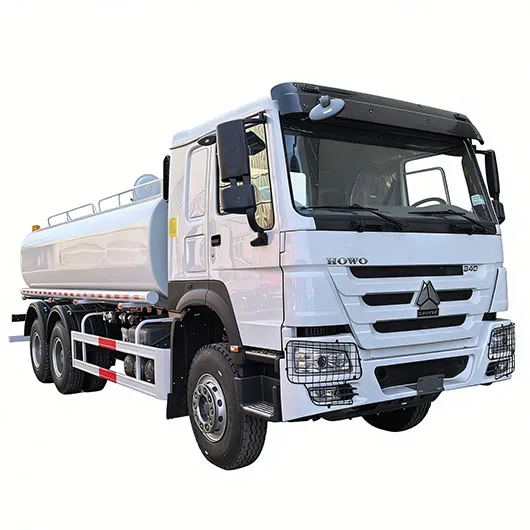
Because a sanitation body is only as useful as the chassis under it. All Lifecycle’s page specifically highlights that these trucks are built on robust SINOTRUK platforms for continuous and multi-shift urban use. That matters because sanitation duty is repetitive, slow-moving, and often tougher on a vehicle than buyers assume.
A durable whole vehicle needs a stable frame, proper weight distribution, and a dependable powertrain. In some sanitation designs, there is also an auxiliary engine to support brushes, blowers, or hydraulic functions without overloading the main drivetrain. A reliable hydraulic system also matters for body functions, brush lifting, and some water or debris components.
I have noticed that smart buyers think beyond the body. They ask how easy it is to maintain, what the service intervals are, how the body integrates with the base truck, and whether the same supplier can provide truck parts later. That is exactly the kind of question long-term fleet buyers should ask.
How do sweeper truck, garbage truck, fuel tank truck, and other special vehicles work together?
Municipal and project fleets rarely buy one truck type only. A city might need a road sweeper truck for paved routes, a garbage truck for waste collection, and a fuel tank truck to support equipment or remote operations. A contractor may need a dust-control water truck plus a dump truck and tractor truck for the same project cycle.
That is why I think All Lifecycle’s broader model is commercially smart. The company is not just selling one truck product. It is offering matched fleet options across Sinotruk and Shacman categories, including both new and refurbished units. That flexibility helps importers and distributors build inventory across road service, logistics, and municipal work.
What applications make SINOTRUK HOWO road cleaning and dust suppression vehicles valuable?
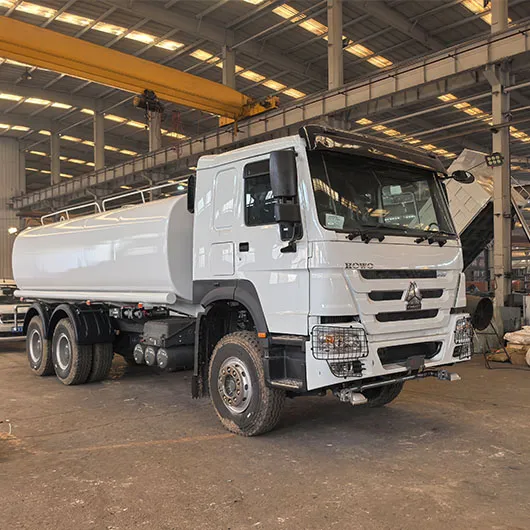
According to the product page, the main application areas include urban roads, highways, squares, airports, construction sites, industrial areas, mining areas, and logistics yards. That is a wide spread, and it tells you something important: these are not niche vehicles. They are operational assets used across public and private environments.
A sinotruk road solution can help a city reduce visible dust, improve safety, and keep busy zones cleaner. A mine or construction site can use water spraying and dust suppression to reduce airborne particles. An airport or logistics yard can use a road cleaning truck to improve cleanliness and lower surface debris risk.
I also like that the page emphasizes function-oriented customization. The buyer can choose the right truck based on task, route distance, working environment, and local regulations. That is far more useful than pushing one body size to every market.
Typical use cases
- Daily urban road cleaning
- Highway and overpass maintenance
- Square and public-area washing
- Construction-exit pressure cleaning
- Mining and industrial dust control
- Water sprinkling for greening irrigation
What should overseas buyers check before choosing a SINOTRUK sanitation truck for sale?
Start with the task, not the brochure. Ask what you need the truck to do every day. Is it mainly road sweeping, washing, dust control, or mixed sanitation work? Do you need a compact 4×2, a larger 6×4, or a heavier 8×4 body? Are you buying one unit or planning a fleet package?
Next, check support. All Lifecycle says it handles export documents, inspection, shipping options such as Ro-Ro, container, or bulk vessel, and destination-side technical and spare-parts support. For overseas buyers, that matters almost as much as the truck itself.
Then look at sourcing flexibility. One of the company’s main selling points is that it supplies both brand-new and high-quality refurbished trucks. That is a real advantage for cost-sensitive markets or fleets that want to combine premium units with lower-cost support units.
Buyer checklist
- Application: sweeper, sprinkler, dust suppression, or mixed work
- Chassis: 4×2, 6×4, or 8×4
- Body size and water tank capacity
- Need for high pressure cleaning or simple washing
- Export compliance and shipping method
- New vs refurbished sourcing
- Service, inspection, and truck parts support
- Ability to find details and price by exact configuration
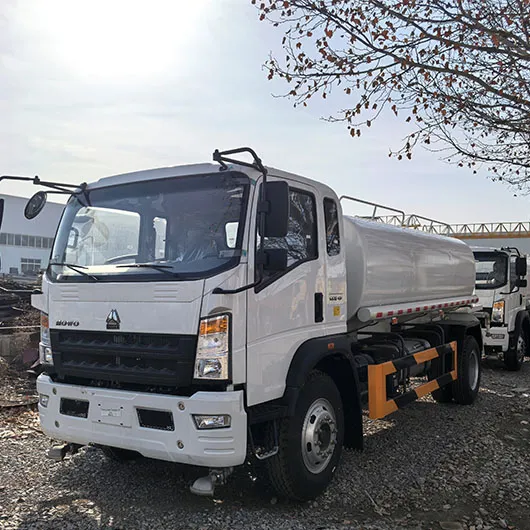
Why does All Lifecycle’s export and after-sales model matter for sanitation buyers?
Because sanitation fleets are working fleets. If the truck stops, the route does not wait. All Lifecycle describes itself as a manufacturer-backed exporter and a wholly owned subsidiary of Shandong Juxin Special Purpose Vehicle Manufacturing Co., Ltd., with a business model built around new trucks, refurbished trucks, mixed fleets, and export/after-sales support.
For an importer, that means fewer handoffs. For a contractor, it means one supplier can help with matching the right howo or shacman platform to the working need. For a municipal buyer, it means more confidence in inspection, shipping, and long-term communication. The company’s service page explicitly says it manages export documentation and logistics arrangements for global deliveries.
I think this is one of the strongest selling points in the whole offer. A sanitation truck is not a retail product. It is a business tool. Buyers want stable quality, pricing flexibility, and support that lasts longer than the first invoice.
Case insight: how a mixed sanitation fleet can lower cost and improve city coverage
Imagine a fast-growing city in Africa or Southeast Asia. The sanitation department needs one road sweeper, one water tanker for dust suppression, and one sinotruk howo sewage suction truck for drain and septic service. The city also wants one backup garbage truck and may later add a dump truck for debris transport.
Buying these units one by one from unrelated sellers sounds cheaper at first. But it often creates problems: uneven documentation, unclear service responsibility, and mismatched delivery times. A manufacturer-backed exporter with broad special-vehicle coverage can simplify that process and reduce coordination risk. That is exactly the type of B2B value proposition All Lifecycle is built around.
In real projects, that kind of coordination is often what wins repeat business.
FAQs
What is a SINOTRUK sanitation cleaning vehicle used for?
It is used for road cleaning, washing, water spraying, dust suppression, and broader urban maintenance. Depending on the body type, it can also fit related municipal functions such as waste handling or sewage service.
Is a sweeper truck the same as a sewage suction truck?
No. A sweeper truck focuses on surface cleaning and debris control, while a sewage suction truck handles liquid waste, septic, sludge, and vacuum sewage work. Both may belong to the same municipal fleet, but they do different jobs.
Why do high pressure water systems matter on a road sweeper truck?
Because high pressure water helps loosen stubborn dirt, improve curb cleaning, and support better overall road washing. It is especially helpful on industrial roads, construction exits, and heavily used paved surfaces.
Can I buy both new and refurbished SINOTRUK sanitation trucks?
Yes. All Lifecycle states that it supplies both brand-new and high-quality refurbished truck solutions for overseas buyers.
What should I ask before I contact a supplier?
Ask about application, route length, road width, body size, water capacity, cleaning mode, export documents, after-sales support, and whether the seller can also support related vehicles such as a garbage truck, fuel tank truck, or tractor truck.
احصل على عرض أسعار
We will reply you within 24 hours. If for urgent case, please add WhatsApp/WeChat: +86 17686600717,. Or call +86 17686600717 directly.
*نحن نحترم سريتك وجميع معلوماتك محمية.
لن نستخدم معلوماتك إلا للرد على استفسارك ولن نرسل أبداً رسائل بريد إلكتروني غير مرغوب فيها أو رسائل ترويجية.