











Used Dump Truck for Sale: Inspection Checklist for Buyers
Tom | Corporate Editorial Team | Published September 3, 2026
A used dump truck bought for resale carries a different risk profile than one bought for your own fleet — you’re staking your grading and your margin on what you find during inspection, not just your uptime. This checklist walks through what to verify before a lot changes hands.
Step 1: Pull the Paperwork Trail Before You Look at the Truck
Title history, prior registration records, and any existing refurbishment documentation should be requested before you schedule a physical inspection, not during it. A clean paper trail tells you whether the unit changed hands through normal commercial resale or through a route that leaves gaps — repossession, salvage, or unregistered private sale. Gaps in the paperwork don’t automatically disqualify a lot, but they change what you need to verify manually in the steps below, and they’re leverage in price negotiation if the seller can’t close them.
Step 2: Inspect the Frame and Chassis Before the Cosmetic Finish
Cosmetic condition is the easiest thing for a seller to fix before a viewing and the least reliable indicator of what you’re actually buying. Check the frame rails for weld repairs, cracking near stress points, and corrosion under the paint rather than on top of it — a frame that’s been patched and repainted will often look better than one that hasn’t needed repair at all. This is also where a wholesaler’s inspection diverges from an end-user’s: you’re not just checking whether the truck runs safely, you’re checking whether the frame condition will pass a second buyer’s inspection when you resell it.
Step 3: Don’t Let the Odometer Set Your Reliability Assumption
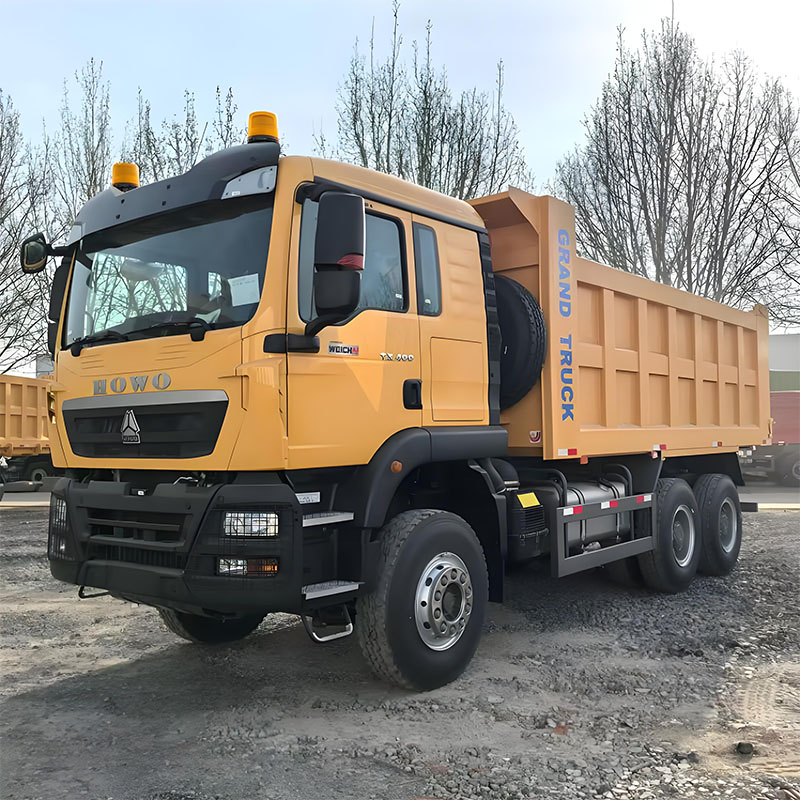
This is the misconception that costs wholesalers money most often: treating mileage as the primary reliability indicator the way it functions for a highway vehicle. Dump trucks working quarry, mining, or construction routes accumulate engine hours and hydraulic cycles disproportionate to the distance shown on the odometer — a truck with modest mileage can have heavy engine-hour wear from idling on-site, running the PTO, and short, high-load hauls. Request engine-hour records where available, and treat odometer reading as one input among several rather than the deciding one.
Step 4: Test the Hydraulic System Under Actual Load
A dump truck’s hydraulic system — the lift cylinders, PTO, and control valves — is where deferred maintenance hides most effectively, because a system that looks intact at rest can still fail under load. Run the bed through a full raise-and-lower cycle with a representative load if one is available, not empty. Listen for uneven cylinder movement, check for hydraulic fluid leaks at the seals, and confirm the PTO engages cleanly. A hydraulic system that needs rebuilding changes the resale grade of the unit more than most cosmetic issues combined.
Step 5: Grade Consistency Across the Lot, Not Just the Individual Unit
If you’re buying multiple units in a single purchase, inspect for consistency across the lot as its own criterion, separate from any single truck’s condition. A batch with wide variation in refurbishment quality — one unit clearly reconditioned to a higher standard than the others — creates a grading problem downstream: you either sell the batch at the lowest common grade, or you split it and absorb the extra time cost of grading each unit individually for resale. Compared with sourcing single units for your own fleet, consistency across a lot is a wholesale-specific check that doesn’t come up the same way for an end-use buyer.
Step 6: Verify Emission and Registration Documents Against Your Resale Market
The compliance documents that matter depend on where you plan to resell, not where the truck currently sits. Confirm the emission standard the engine is certified to and check it against the requirements of your target resale market before finalizing the purchase — a unit that’s straightforward to resell in one region can require additional certification work in another. This step is easy to skip when a lot looks otherwise clean, and it’s one of the more common reasons a wholesaler ends up holding inventory longer than planned.
Step 7: Use Defect Findings to Negotiate Specific Price Adjustments
Once inspection is complete, price the adjustments to what you actually found rather than requesting a blanket discount. A hydraulic rebuild, a frame repair, or a missing maintenance record each has a distinct cost to remedy or a distinct effect on resale grade — itemizing them gives the seller a concrete basis to negotiate against, and gives you a documented reason for the final price if a future buyer asks. Sellers respond more predictably to itemized findings than to a round-number discount request.
Step 8: Document Everything Before You List It Again
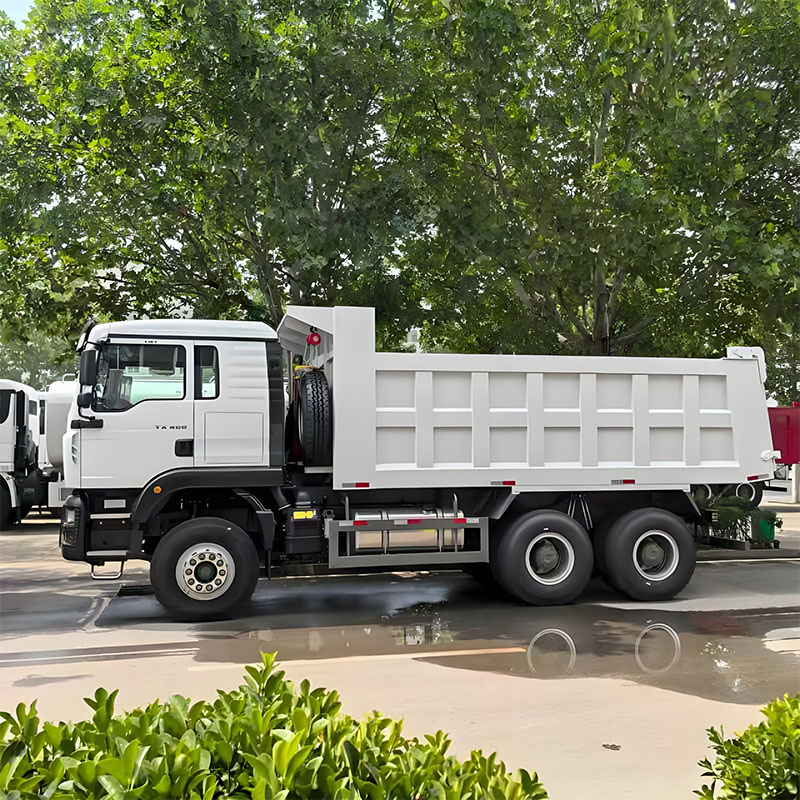
Photograph and log every finding from steps 1 through 7 before the purchase closes, not after. This record does double duty: it protects you if a dispute comes up with the seller, and it becomes the basis for your own resale listing once the unit is back in your inventory. Buyers evaluating your listings will ask for exactly this kind of documentation — having it ready from your own purchase saves you from re-inspecting a unit you already know.
What This Doesn’t Cover Yet
This checklist assumes you already have a working refurbishment grading standard to sort inspection findings against. If your business doesn’t have a fixed grading scale, the findings from steps 2 through 6 above are the raw material for building one — condition of frame, hydraulic system, and paperwork are the three inputs that matter most for a defensible grade. Compared with informal condition labels used across much of the used-equipment resale market, a documented, criteria-based grading scale is what lets a wholesale buyer defend a price to their own customers later.
For wholesalers sourcing from Chinese suppliers specifically, export documentation and CCC/3C certification checks add a layer on top of this inspection process — that’s covered separately in our used dump trucks for sale in China guide, which is worth reading alongside this checklist if you’re buying internationally rather than domestically.
FAQ
Q: How is inspecting for resale different from inspecting for my own fleet?
A: The core mechanical checks are the same, but a wholesaler adds lot-consistency grading and resale-market compliance checks that don’t apply when you’re the end user. You’re also documenting findings for a future buyer, not just for your own maintenance records.
Q: Should engine hours or odometer mileage carry more weight in my inspection?
A: Neither should be treated as the sole indicator. Engine hours reflect wear more accurately for trucks working off-highway or stationary-cycle routes, but both figures matter less than physical inspection of the frame and hydraulic system.
Q: What if the seller can’t provide maintenance or engine-hour records?
A: Missing records aren’t disqualifying, but they shift more of the inspection burden onto physical verification in steps 2 through 4, and they’re a legitimate basis for a lower offer.
Next: if you’re sorting a mixed lot of units at different condition levels into a resale plan, our custom and mixed-fleet procurement guide covers how to structure that on the buying side.
Ein Angebot anfordern
Wir werden Ihnen innerhalb von 24 Stunden antworten. Bei dringenden Fällen fügen Sie bitte WhatsApp/WeChat: +86 17686600717 hinzu. Oder rufen Sie direkt +86 17686600717 an.
*Wir respektieren Ihre Vertraulichkeit und alle Informationen sind geschützt.
Wir werden Ihre Informationen nur verwenden, um auf Ihre Anfrage zu antworten, und werden niemals unaufgeforderte E-Mails oder Werbenachrichten senden.