










SINOTRUK Reinigung Fahrzeuge: Straßenreinigungsfahrzeug, Kehrmaschine und Reinigungslösungen
Dirty roads, blocked drains, and airborne dust can make any city look poorly managed and cost more to maintain. When fleets use the wrong truck, cleanup slows, labor costs rise, and public complaints grow. The smarter fix is a purpose-built sanitation fleet matched to the real job.
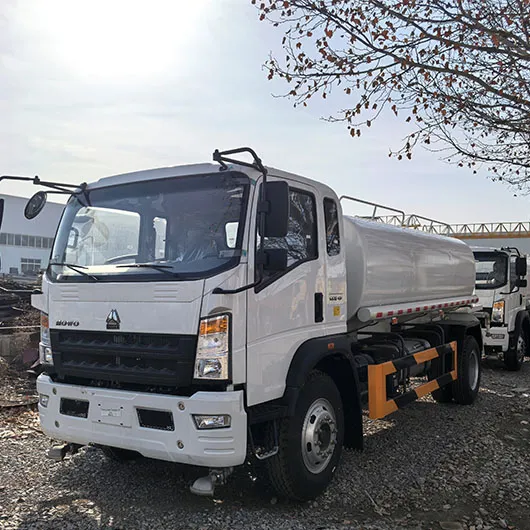
SINOTRUK Sanitärräumfahrzeuge are built for road cleaning, dust control, water spraying, and urban maintenance. In practical terms, they include options such as a road cleaning truck, sweeper truck, sprinkler unit, and even sewage suction truck configurations, giving municipal buyers and contractors flexible solutions for daily city service and public works support.
If you work in fleet purchasing, I think you already know the hard truth: city cleaning is not just about buying one truck. It is about choosing the right cleaning vehicle, the right chassis, and the right support partner. That matters even more for overseas buyers who care about export documents, customization, mixed new-and-used sourcing, and long-term service. All Lifecycle positions itself exactly in that space, supplying overseas B2B customers with both new and refurbished Sinotruk and Shacman trucks, plus vehicle selection, customization, export, and after-sales support for real project use.
Why are SINOTRUK sanitation cleaning vehicles important for modern municipal sanitation?
A modern city needs more than workers with brooms and hoses. It needs organized, repeatable, and efficient municipal sanitation systems. That is where sinotruk sanitation vehicles make sense. The product line on All Lifecycle’s site is built around road washing, sweeping, water sprinkling, and dust suppression for daily public-environment work.
I see this as one of the biggest changes in city maintenance. Years ago, buyers often treated a cleaning truck as a simple utility purchase. Today, it is a performance asset. A good fleet improves public hygiene, supports road cleaning, reduces dust, and helps cities maintain highways, squares, airports, industrial zones, and logistics yards more efficiently.
For B2B buyers, the question is not “Do we need a sweeper?” It is “What truck will fit our route length, debris type, water demand, road width, and local service capacity?” That is why an export-oriented supplier that understands special vehicle matching often creates more value than a seller that only lists a truck for sale.
What does a SINOTRUK road cleaning truck actually do?
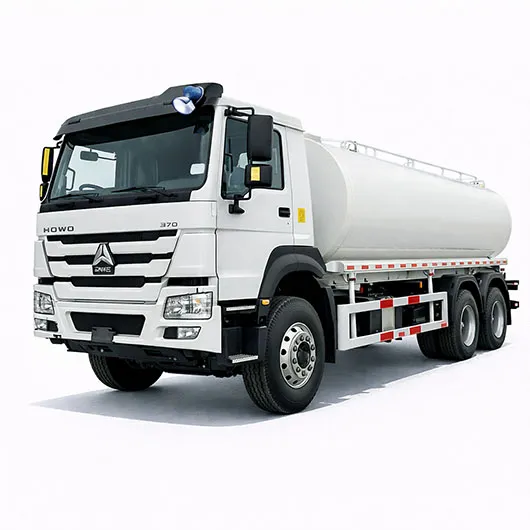
A road cleaning truck is designed to wash, sweep, collect, and control road debris in a more systematic way than manual cleanup. On the SINOTRUK sanitation page, the lineup is framed around road washing, sweeping, water spraying, and dust control, rather than one single narrow function.
In real use, a road sweeper may combine brushes, a water tank, a water system, and debris collection functions to support daily road sweeping. A road washing vehicle can use high pressure water or controlled spray systems to clean paved surfaces. Some models are focused on dust suppression, while others are built for multi-function sanitation cleaning work.
That flexibility matters. One city may need a street sweeper for downtown maintenance. Another may need a washing and cleaning truck for highways and industrial roads. A contractor may need a truck mounted sprinkler and dust-control setup for a construction site. The truck is also a tool for image, safety, and work efficiency.
How do sweeper truck, road sweeper truck, and sweeper models differ?
Many buyers use these terms loosely, but there are useful differences. A sweeper truck is a broad term for a vehicle that cleans roads mechanically. A road sweeper truck usually emphasizes paved-surface service, especially for urban roads, highways, and industrial routes. A sweeper may refer to the full vehicle or to the operating concept itself.
From a buyer’s point of view, the real difference comes down to work design. Some units focus more on sweeping and debris pickup. Some add road washing and spray functions. Some are built as a transportation specialized vehicle sweep truck for wider sanitation tasks. The All Lifecycle page highlights multi-function operation, which is important because many overseas buyers want fewer vehicles doing more work.
How do water tank, spray, flush, and high pressure cleaning systems improve performance?
This is where sanitation trucks become much more than mechanical sweepers. A well-designed water tank helps manage dust, soften dirt, and support better debris pickup. A good spray pattern can reduce airborne particles before brushes even touch the surface.
Many municipal operators now prefer units with high pressure or high-pressure cleaning capability because these systems can flush stubborn dirt from curbs, pavement joints, and work zones. A high pressure water setup with a proper water pump, nozzle, and sometimes a water gun can clean where a simple brush cannot. That is especially useful on industrial roads and construction exits.
Some trucks also include features such as one-button control, low water level alerts, and adjustable sprinkler or spray modes. These are small details, but they improve daily operation. In my experience, operators care about those features more than buyers expect.
Core cleaning functions buyers should compare
- Road washing coverage
- Brush width and sweeping efficiency
- Dust-control and dust suppression mode
- High-pressure washing performance
- Clean water tank capacity
- Pump reliability and valve layout
- Water-saving logic for long shifts
Why is chassis reliability so important for a cleaning vehicle?
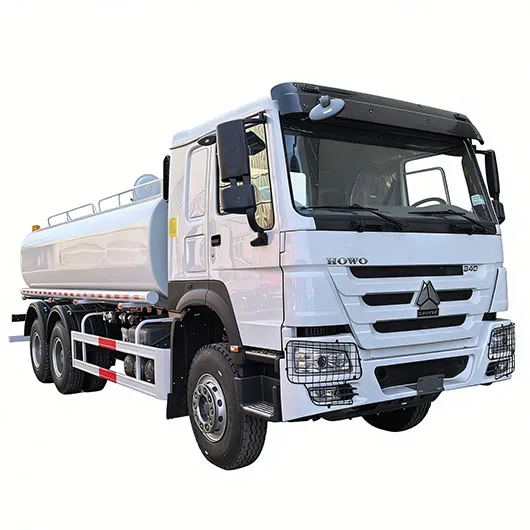
Because a sanitation body is only as useful as the chassis under it. All Lifecycle’s page specifically highlights that these trucks are built on robust SINOTRUK platforms for continuous and multi-shift urban use. That matters because sanitation duty is repetitive, slow-moving, and often tougher on a vehicle than buyers assume.
A durable whole vehicle needs a stable frame, proper weight distribution, and a dependable powertrain. In some sanitation designs, there is also an auxiliary engine to support brushes, blowers, or hydraulic functions without overloading the main drivetrain. A reliable hydraulic system also matters for body functions, brush lifting, and some water or debris components.
I have noticed that smart buyers think beyond the body. They ask how easy it is to maintain, what the service intervals are, how the body integrates with the base truck, and whether the same supplier can provide truck parts later. That is exactly the kind of question long-term fleet buyers should ask.
How do sweeper truck, garbage truck, fuel tank truck, and other special vehicles work together?
Municipal and project fleets rarely buy one truck type only. A city might need a road sweeper truck for paved routes, a garbage truck for waste collection, and a fuel tank truck to support equipment or remote operations. A contractor may need a dust-control water truck plus a dump truck and tractor truck for the same project cycle.
That is why I think All Lifecycle’s broader model is commercially smart. The company is not just selling one truck product. It is offering matched fleet options across Sinotruk and Shacman categories, including both new and refurbished units. That flexibility helps importers and distributors build inventory across road service, logistics, and municipal work.
What applications make SINOTRUK HOWO road cleaning and dust suppression vehicles valuable?
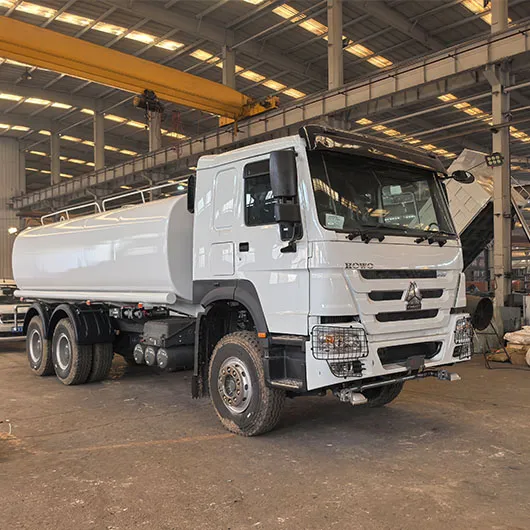
According to the product page, the main application areas include urban roads, highways, squares, airports, construction sites, industrial areas, mining areas, and logistics yards. That is a wide spread, and it tells you something important: these are not niche vehicles. They are operational assets used across public and private environments.
A sinotruk road solution can help a city reduce visible dust, improve safety, and keep busy zones cleaner. A mine or construction site can use water spraying and dust suppression to reduce airborne particles. An airport or logistics yard can use a road cleaning truck to improve cleanliness and lower surface debris risk.
I also like that the page emphasizes function-oriented customization. The buyer can choose the right truck based on task, route distance, working environment, and local regulations. That is far more useful than pushing one body size to every market.
Typical use cases
- Daily urban road cleaning
- Highway and overpass maintenance
- Square and public-area washing
- Construction-exit pressure cleaning
- Minierung und industrieller Staubschutz
- Wassersprühung zur Begrünung der Bewässerung
Was sollten ausländische Käufer überprüfen, bevor sie einen SINOTRUK-Sanitärlaster zum Verkauf auswählen?
Beginnen Sie mit der Aufgabe, nicht mit dem Prospekt. Fragen Sie, was Sie jeden Tag mit dem Lkw tun müssen. Geht es hauptsächlich um Straßenreinigung, Waschen, Staubkontrolle oder gemischte Sanitärarbeiten? Brauchen Sie einen kompakten 4×2, einen größeren 6×4 oder einen schwereren 8×4-Körper? Kaufen Sie eine Einheit oder planen Sie ein Flottenpaket?
Überprüfen Sie als Nächstes den Support. All Lifecycle sagt, dass es Exportdokumente, Inspektion, Versandoptionen wie Ro-Ro, Container oder Massengutfrachter sowie technischen Support und Ersatzteile auf der Zielseite bearbeitet. Für ausländische Käufer ist das fast so wichtig wie der Lkw selbst.
Schauen Sie sich dann die Flexibilität bei der Beschaffung an. Eines der Hauptverkaufsargumente des Unternehmens ist, dass es sowohl fabrikneue als auch hochwertige refurbished Lkw anbietet. Das ist ein echter Vorteil für kostenempfindliche Märkte oder Flotten, die Premium-Einheiten mit kostengünstigeren Unterstützungseinheiten kombinieren möchten.
Käufercheckliste
- Anwendung: Kehrmaschine, Sprinkler, Staubunterdrückung oder gemischte Arbeiten
- Fahrgestell: 4×2, 6×4 oder 8×4
- Körpergröße und Wassertankkapazität
- Bedarf an Hochdruckreinigung oder einfachem Waschen
- Exportkonformität und Versandmethode
- Neu vs refurbished Beschaffung
- Service-, Inspektions- und Lkw-Teile-Support
- Fähigkeit, Details und Preise nach exakter Konfiguration zu finden
Warum ist All Lifecycles Export- und After-Sales-Modell für Sanitärkäufer wichtig?
Weil Sanitärflotten Arbeitsflotten sind. Wenn der Lkw stoppt, wartet die Route nicht. All Lifecycle beschreibt sich als einen von Herstellern unterstützten Exporteur und eine hundertprozentige Tochtergesellschaft der Shandong Juxin Special Purpose Vehicle Manufacturing Co., Ltd., mit einem Geschäftsmodell, das auf neuen Lkw, refurbished Lkw, gemischten Flotten und Export- / After-Sales-Support aufbaut.
Für einen Importeur bedeutet das weniger Übergaben. Für einen Auftragnehmer bedeutet es, dass ein Anbieter helfen kann, die richtige Howo- oder Shacman-Plattform an die Arbeitsanforderung anzupassen. Für einen kommunalen Käufer bedeutet es mehr Vertrauen in Inspektion, Versand und langfristige Kommunikation. Die Serviceseite des Unternehmens besagt ausdrücklich, dass sie die Exportdokumentation und die logistischen Arrangements für weltweite Lieferungen verwaltet.
Ich denke, das ist eines der stärksten Verkaufsargumente in dem gesamten Angebot. Ein Sanitärlaster ist kein Einzelhandelsprodukt. Es ist ein Geschäftsinstrument. Käufer wollen stabile Qualität, Preisflexibilität und Unterstützung, die länger hält als die erste Rechnung.
Fallanalyse: Wie eine gemischte Sanitärflotte Kosten senken und die Abdeckung der Stadt verbessern kann
Stellen Sie sich eine schnell wachsende Stadt in Afrika oder Südostasien vor. Die Sanitärabteilung benötigt einen Straßenkehrmaschine, einen Wassertank für Staubunterdrückung und einen Sinotruk Howo-Abwassersauglaster für Entwässerungs- und Klärdienst. Die Stadt möchte auch einen Ersatzmüllwagen und kann später einen Kipplaster für den Abtransport von Schutt hinzufügen.
Diese Einheiten eins nach dem anderen von nicht verwandten Verkäufern zu kaufen, klingt zunächst günstiger. Aber es schafft oft Probleme: ungleichmäßige Dokumentation, unklare Serviceverantwortung und nicht passende Lieferzeiten. Ein von Herstellern unterstützter Exporteur mit breiter Abdeckung für Spezialfahrzeuge kann diesen Prozess vereinfachen und das Koordinationsrisiko reduzieren. Genau das ist der B2B-Wertvorschlag, um den All Lifecycle aufgebaut ist.
In realen Projekten gewinnt oft genau diese Art von Koordination wiederholte Geschäfte.
Häufig gestellte Fragen
Was ist ein SINOTRUK Sanitärräumfahrzeug wodurch verwendet?
Es wird für Straßenreinigung, Waschen, Sprühung, Staubunterdrückung und umfassendere städtische Instandhaltungsarbeiten verwendet. Je nach Körperbau kann es auch für verwandte kommunale Funktionen wie Abfallentsorgung oder Klärdienst eingesetzt werden.
Ist ein Kehrmaschinen-Lkw dasselbe wie ein Abwassersauglaster?
Nein. Ein Kehrmaschinen-Lkw konzentriert sich auf die Oberflächenreinigung und Abfallkontrolle, während ein Abwassersauglaster flüssige Abfälle, Klärschlamm und Vakuum-Abwasserarbeiten behandelt. Beide können zur gleichen kommunalen Flotte gehören, erledigen aber verschiedene Aufgaben.
Warum sind Hochdruckwassersysteme bei einem Straßenkehrlaster wichtig?
Weil Hochdruckwasser hilft, hartnäckigen Schmutz zu lockern, die Randreinigung zu verbessern und eine bessere Gesamtstraßenwäsche zu unterstützen. Es ist besonders hilfreich auf Industrieflächen, Baustellen und stark befahrenen gepflasterten Oberflächen.
Kann ich sowohl neue als auch refurbished SINOTRUK-Sanitärlaster kaufen?
Ja. All Lifecycle gibt an, dass es sowohl fabrikneue als auch hochwertige refurbished Lkw-Lösungen für ausländische Käufer anbietet.
Was sollte ich fragen, bevor ich einen Anbieter kontaktiere?
Fragen Sie nach Anwendung, Streckenlänge, Straßenbreite, Körpergröße, Wasserkapazität, Reinigungsmodus, Exportdokumenten, After-Sales-Support und ob der Verkäufer auch verwandte Fahrzeuge unterstützen kann, wie z.B. Müllwagen, Tankwagen oder Sattelzug.
Ein Angebot anfordern
Wir werden Ihnen innerhalb von 24 Stunden antworten. Bei dringenden Fällen fügen Sie bitte WhatsApp/WeChat: +86 17686600717 hinzu. Oder rufen Sie direkt +86 17686600717 an.
*Wir respektieren Ihre Vertraulichkeit und alle Informationen sind geschützt.
Wir werden Ihre Informationen nur verwenden, um auf Ihre Anfrage zu antworten, und werden niemals unaufgeforderte E-Mails oder Werbenachrichten senden.