










Veicoli per la pulizia urbana SINOTRUK: camion per la pulizia stradale, camion spazzatrice e soluzioni sanitarie
Autore: Alllifecycle
Publish Time: 2026-04-02
Dirty roads, blocked drains, and airborne dust can make any city look poorly managed and cost more to maintain. When fleets use the wrong truck, cleanup slows, labor costs rise, and public complaints grow. The smarter fix is a purpose-built sanitation fleet matched to the real job.
Veicoli per la pulizia della sanità SINOTRUK are built for road cleaning, dust control, water spraying, and urban maintenance. In practical terms, they include options such as a road cleaning truck, sweeper truck, sprinkler unit, and even sewage suction truck configurations, giving municipal buyers and contractors flexible solutions for daily city service and public works support.
If you work in fleet purchasing, I think you already know the hard truth: city cleaning is not just about buying one truck. It is about choosing the right cleaning vehicle, the right chassis, and the right support partner. That matters even more for overseas buyers who care about export documents, customization, mixed new-and-used sourcing, and long-term service. All Lifecycle positions itself exactly in that space, supplying overseas B2B customers with both new and refurbished Sinotruk and Shacman trucks, plus vehicle selection, customization, export, and after-sales support for real project use.
Why are SINOTRUK sanitation cleaning vehicles important for modern municipal sanitation?
A modern city needs more than workers with brooms and hoses. It needs organized, repeatable, and efficient municipal sanitation systems. That is where sinotruk sanitation vehicles make sense. The product line on All Lifecycle’s site is built around road washing, sweeping, water sprinkling, and dust suppression for daily public-environment work.
I see this as one of the biggest changes in city maintenance. Years ago, buyers often treated a cleaning truck as a simple utility purchase. Today, it is a performance asset. A good fleet improves public hygiene, supports road cleaning, reduces dust, and helps cities maintain highways, squares, airports, industrial zones, and logistics yards more efficiently.
For B2B buyers, the question is not “Do we need a sweeper?” It is “What truck will fit our route length, debris type, water demand, road width, and local service capacity?” That is why an export-oriented supplier that understands special vehicle matching often creates more value than a seller that only lists a truck for sale.
What does a SINOTRUK road cleaning truck actually do?
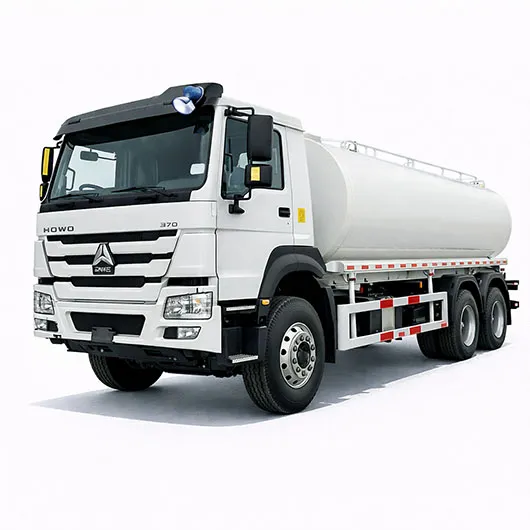
Un road cleaning truck is designed to wash, sweep, collect, and control road debris in a more systematic way than manual cleanup. On the SINOTRUK sanitation page, the lineup is framed around road washing, sweeping, water spraying, and dust control, rather than one single narrow function.
In real use, a road sweeper may combine brushes, a water tank, a water system, and debris collection functions to support daily road sweeping. A road washing vehicle can use high pressure water or controlled spray systems to clean paved surfaces. Some models are focused on dust suppression, while others are built for multi-function sanitation cleaning work.
That flexibility matters. One city may need a street sweeper for downtown maintenance. Another may need a washing and cleaning truck for highways and industrial roads. A contractor may need a truck mounted sprinkler and dust-control setup for a construction site. The truck is also a tool for image, safety, and work efficiency.
How do sweeper truck, road sweeper truck, and sweeper models differ?
Many buyers use these terms loosely, but there are useful differences. A sweeper truck is a broad term for a vehicle that cleans roads mechanically. A road sweeper truck usually emphasizes paved-surface service, especially for urban roads, highways, and industrial routes. A sweeper may refer to the full vehicle or to the operating concept itself.
From a buyer’s point of view, the real difference comes down to work design. Some units focus more on sweeping and debris pickup. Some add road washing and spray functions. Some are built as a transportation specialized vehicle sweep truck for wider sanitation tasks. The All Lifecycle page highlights multi-function operation, which is important because many overseas buyers want fewer vehicles doing more work.
How do water tank, spray, flush, and high pressure cleaning systems improve performance?
This is where sanitation trucks become much more than mechanical sweepers. A well-designed water tank helps manage dust, soften dirt, and support better debris pickup. A good spray pattern can reduce airborne particles before brushes even touch the surface.
Many municipal operators now prefer units with high pressure or high-pressure cleaning capability because these systems can flush stubborn dirt from curbs, pavement joints, and work zones. A high pressure water setup with a proper water pump, nozzle, and sometimes a water gun can clean where a simple brush cannot. That is especially useful on industrial roads and construction exits.
Some trucks also include features such as one-button control, low water level alerts, and adjustable sprinkler or spray modes. These are small details, but they improve daily operation. In my experience, operators care about those features more than buyers expect.
Core cleaning functions buyers should compare
- Road washing coverage
- Brush width and sweeping efficiency
- Dust-control and dust suppression mode
- High-pressure washing performance
- Clean water tank capacity
- Pump reliability and valve layout
- Water-saving logic for long shifts
Why is chassis reliability so important for a cleaning vehicle?
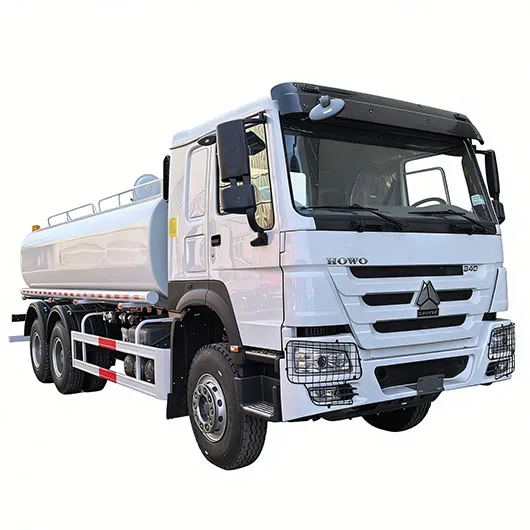
Because a sanitation body is only as useful as the chassis under it. All Lifecycle’s page specifically highlights that these trucks are built on robust SINOTRUK platforms for continuous and multi-shift urban use. That matters because sanitation duty is repetitive, slow-moving, and often tougher on a vehicle than buyers assume.
A durable whole vehicle needs a stable frame, proper weight distribution, and a dependable powertrain. In some sanitation designs, there is also an auxiliary engine to support brushes, blowers, or hydraulic functions without overloading the main drivetrain. A reliable hydraulic system also matters for body functions, brush lifting, and some water or debris components.
I have noticed that smart buyers think beyond the body. They ask how easy it is to maintain, what the service intervals are, how the body integrates with the base truck, and whether the same supplier can provide truck parts later. That is exactly the kind of question long-term fleet buyers should ask.
How do sweeper truck, garbage truck, fuel tank truck, and other special vehicles work together?
Municipal and project fleets rarely buy one truck type only. A city might need a road sweeper truck for paved routes, a garbage truck for waste collection, and a fuel tank truck to support equipment or remote operations. A contractor may need a dust-control water truck plus a dump truck and tractor truck for the same project cycle.
That is why I think All Lifecycle’s broader model is commercially smart. The company is not just selling one truck product. It is offering matched fleet options across Sinotruk and Shacman categories, including both new and refurbished units. That flexibility helps importers and distributors build inventory across road service, logistics, and municipal work.
What applications make SINOTRUK HOWO road cleaning and dust suppression vehicles valuable?
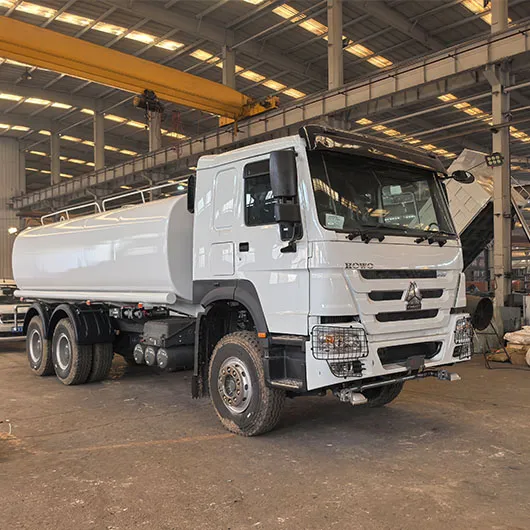
According to the product page, the main application areas include urban roads, highways, squares, airports, construction sites, industrial areas, mining areas, and logistics yards. That is a wide spread, and it tells you something important: these are not niche vehicles. They are operational assets used across public and private environments.
A sinotruk road solution can help a city reduce visible dust, improve safety, and keep busy zones cleaner. A mine or construction site can use water spraying and dust suppression to reduce airborne particles. An airport or logistics yard can use a road cleaning truck to improve cleanliness and lower surface debris risk.
I also like that the page emphasizes function-oriented customization. The buyer can choose the right truck based on task, route distance, working environment, and local regulations. That is far more useful than pushing one body size to every market.
Typical use cases
- Daily urban road cleaning
- Highway and overpass maintenance
- Square and public-area washing
- Construction-exit pressure cleaning
- Controllo della polvere mineraria e industriale
- Spruzzatura d'acqua per l'irrigazione del verde
Cosa dovrebbero controllare gli acquirenti stranieri prima di scegliere un camion per la sanità SINOTRUK in vendita?
Inizia con il compito, non con il volantino. Chiedi cosa hai bisogno che il camion faccia ogni giorno. È principalmente pulizia stradale, lavaggio, controllo della polvere o lavoro di sanità mista? Hai bisogno di un compatto 4×2, di un più grande 6×4 o di un corpo più pesante 8×4? Stai acquistando un'unità o pianificando un pacchetto di flotta?
Successivamente, controlla il supporto. All Lifecycle afferma di gestire documenti di esportazione, ispezione, opzioni di spedizione come Ro-Ro, container o nave in carico, e supporto tecnico e di ricambi a destinazione. Per gli acquirenti stranieri, questo è quasi importante quanto il camion stesso.
Poi guarda la flessibilità negli approvvigionamenti. Uno dei principali punti di vendita dell'azienda è che fornisce sia camion nuovi che camion ricondizionati di alta qualità. Questo è un vero vantaggio per i mercati sensibili ai costi o per le flotte che vogliono combinare unità premium con unità di supporto a costo inferiore.
Lista di controllo per gli acquirenti
- Applicazione: spazzatrice, irrigatore, soppressione della polvere o lavoro misto
- Telaio: 4×2, 6×4 o 8×4
- Dimensioni del corpo e capacità del serbatoio d'acqua
- Necessità di lavaggio ad alta pressione o semplice lavaggio
- Conformità all'esportazione e metodo di spedizione
- Approvvigionamento nuovo vs ricondizionato
- Supporto per servizi, ispezioni e parti del camion
- Capacità di trovare dettagli e prezzo in base alla configurazione esatta
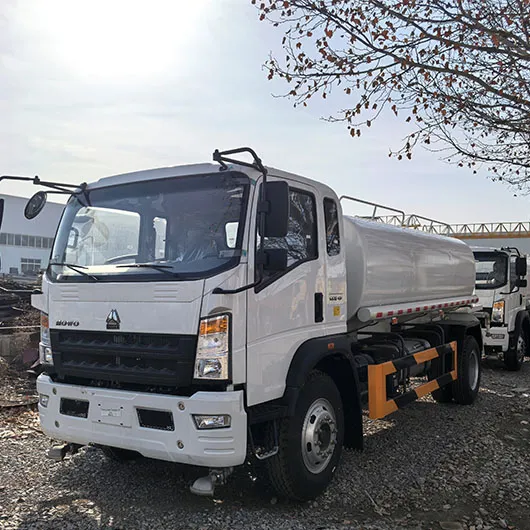
Perché il modello di esportazione e post-vendita di All Lifecycle è importante per gli acquirenti di sanità?
Perché le flotte sanitarie sono flotte operative. Se il camion si ferma, il percorso non aspetta. All Lifecycle si descrive come un esportatore sostenuto da un produttore e una filiale interamente controllata da Shandong Juxin Special Purpose Vehicle Manufacturing Co., Ltd., con un modello di business incentrato su camion nuovi, camion ricondizionati, flotte miste e supporto per esportazione/after-sales.
Per un importatore, ciò significa meno passaggi. Per un appaltatore, significa che un fornitore può aiutare a abbinare la piattaforma giusta howo o shacman alla necessità di lavoro. Per un acquirente municipale, significa maggior fiducia nell'ispezione, nella spedizione e nella comunicazione a lungo termine. La pagina dei servizi dell'azienda afferma esplicitamente che gestisce documentazione ed organizzazione logistica per consegne globali.
Penso che questo sia uno dei punti di vendita più forti dell'intera offerta. Un camion per la sanità non è un prodotto al dettaglio. È uno strumento commerciale. Gli acquirenti vogliono qualità stabile, flessibilità nei prezzi e supporto che duri più a lungo della prima fattura.
Approfondimenti sul caso: come una flotta sanitaria mista può ridurre i costi e migliorare la copertura della città
Immagina una città in rapida crescita in Africa o nel Sud-est asiatico. Il dipartimento della sanità ha bisogno di una spazzatrice stradale, un autocisterna d'acqua per la soppressione della polvere e un camion per aspirazione fognaria sinotruk howo per servizi di drenaggio e fossa settica. La città vuole anche un camion per spazzatura di riserva e potrebbe in seguito aggiungere un camion per il trasporto dei detriti.
Comprare queste unità una a una da venditori non correlati sembra più economico all'inizio. Ma spesso crea problemi: documentazione irregolare, responsabilità di servizio poco chiare e tempi di consegna non corrispondenti. Un esportatore sostenuto da un produttore con ampia copertura di veicoli speciali può semplificare questo processo e ridurre il rischio di coordinamento. Questo è esattamente il tipo di proposta di valore B2B su cui si basa All Lifecycle.
In progetti reali, quel tipo di coordinamento è spesso ciò che vince affari ripetuti.
FAQ
Cos'è un veicolo per la pulizia della sanità SINOTRUK usato per?
È usato per la pulizia delle strade, lavaggio, spruzzatura d'acqua, soppressione della polvere e manutenzione urbana più ampia. A seconda del tipo di corpo, può anche adattarsi a funzioni municipali correlate come gestione dei rifiuti o servizio fognario.
Un camion spazzatrice è uguale a un camion per aspirazione fognaria?
No. Un camion spazzatrice si concentra sulla pulizia della superficie e sul controllo dei detriti, mentre un camion per aspirazione fognaria gestisce rifiuti liquidi, fossi, fanghi e lavoro di aspirazione fognaria. Entrambi possono appartenere alla stessa flotta municipale, ma svolgono lavori diversi.
Perché i sistemi ad alta pressione d'acqua sono importanti su un camion spazzatrice?
Perché l'acqua ad alta pressione aiuta a sciogliere la sporcizia ostinata, migliorare la pulizia dei bordi e sostenere un migliore lavaggio complessivo delle strade. È particolarmente utile su strade industriali, uscite da cantieri e superfici pavimentate ad alto utilizzo.
Posso acquistare camion per la sanità SINOTRUK sia nuovi che ricondizionati?
Sì. All Lifecycle afferma che fornisce sia soluzioni per camion nuovi che per camion ricondizionati di alta qualità per acquirenti stranieri.
Cosa dovrei chiedere prima di contattare un fornitore?
Chiedi riguardo all'applicazione, lunghezza del percorso, larghezza della strada, dimensioni del corpo, capacità d'acqua, modalità di pulizia, documenti di esportazione, supporto post-vendita, e se il venditore può anche supportare veicoli correlati come un camion per la spazzatura, un camion cisterna per carburante o un camion trattore.
Richiedi un preventivo
Ti risponderemo entro 24 ore. In caso di emergenza, aggiungi WhatsApp/WeChat: +86 17686600717. Oppure chiama direttamente +86 17686600717.
*Rispettiamo la tua riservatezza e tutte le informazioni sono protette.
Utilizzeremo solo le tue informazioni per rispondere alla tua richiesta e non invieremo mai email indesiderate o messaggi promozionali.