











What Is a Tractor Truck and How Is It Used in Heavy-Duty Transport?
Buying the wrong truck for heavy freight can waste fuel, damage parts, and slow every delivery. For B2B buyers, this mistake can hurt profit fast. A clear understanding of the tractor, trailer, and route helps you choose better and haul smarter.
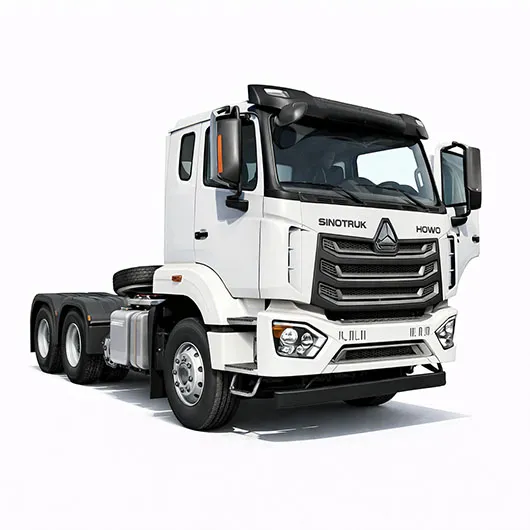
A tractor truck is a heavy-duty truck designed to pull a trailer or semi-trailer. It works as the power unit in a tractor trailer combination, using its engine, cab, axle system, fifth wheel, and chassis to transport heavy loads, cargo, machinery, tankers, containers, and oversized freight.
What Is a Tractor Truck?
A tractor truck is a powerful truck that is designed to pull another vehicle. That other vehicle is usually a trailer or semi-trailer. The tractor does not carry most of the cargo on its own body. Instead, it gives the pulling power.
In simple words, the tractor is the front part of a large road freight system. It has the engine, cab, chassis, axle system, fuel system, braking system, and fifth wheel. The trailer carries the goods. Together, the tractor and trailer form a strong transport unit.
Many people also call this type of vehicle a truck tractor, tractor unit, semi-truck, prime mover, or tractor trailer. The names change by country, but the basic idea stays the same: one power unit pulls trailers to move freight.
How Does a Tractor Truck Work with a Trailer?
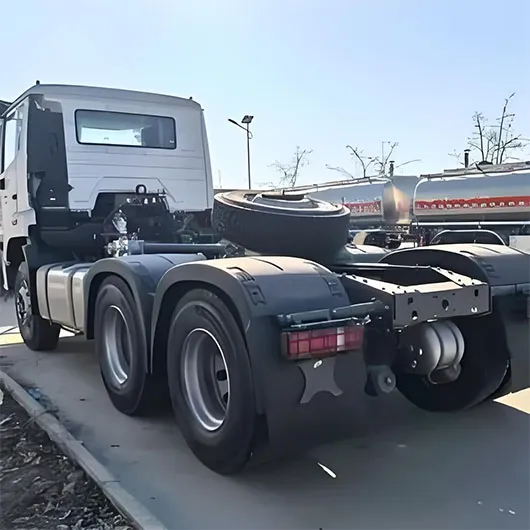
A tractor connects to a trailer through a fifth wheel. The fifth wheel is a strong coupling plate on the rear of the truck. It locks the trailer kingpin in place and allows the truck and trailer to turn as one connected system.
This design allows the truck to pull a trailer while still turning at ports, warehouses, highways, and loading yards. The joint between the tractor and the trailer gives the system flexibility. That is why people sometimes call it an articulated truck.
A truck can pull different trailer configurations depending on the job. One tractor may pull a container chassis today, a flatbed tomorrow, and a tanker next week. This flexibility is a key reason why fleets choose tractor trucks for long-haul and regional cargo work.
Tractor Truck vs Straight Truck: What Are the Key Differences?
A straight truck is a single unit. The cargo body is fixed to the same chassis as the cab and engine. A box truck is a common example. It is often used for local delivery, furniture moving, retail supply, or city distribution.
A tractor truck is different because it pulls a separate trailer. The truck and trailer can be separated. This means one tractor can work with many types of trailers. It gives the fleet more freedom.
What Are the Main Parts of a Truck Tractor?
A truck tractor may look simple from the outside, but every part has a job. The engine creates power. The transmission sends power to the drive wheels. The axle supports weight and helps move the truck. The cab gives the truck driver a safe working space.
The chassis is the strong frame under the truck. It supports the whole tractor. For heavy loads, the chassis must be strong enough to handle stress, vibration, and road shock. Weak structure can create cracks, downtime, and safety problems.
The fifth wheel is another key part. It connects the tractor to the trailer. For heavy freight, the fifth wheel must match the load and trailer type. Good matching helps the truck move safely and reduces wear.
What Configurations Are Common for Tractor Trucks?
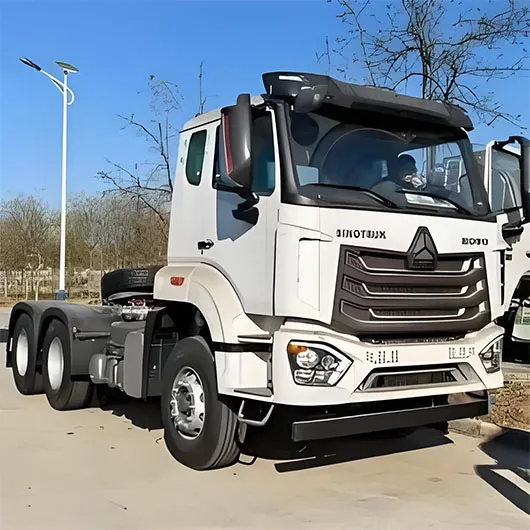
A tractor truck can have different configuration options. The most common choices include 4×2, 6×2, and 6×4. Some markets also use special axle layouts for heavy haul, off-road transport, or oversized cargo.
A 4×2 tractor usually works well for lighter highway freight. It can offer better fuel efficiency when road conditions are good and the load is not extreme. This makes it useful for normal logistics work.
A 6×4 tractor has more driven wheels and stronger traction. It is often used for heavier loads, mountain roads, rough roads, construction transport, tanker work, and heavy semi-trailers. For many export markets, 6×4 is a practical and popular choice.
How Are Tractor Trucks Used in Heavy-Duty Transport?
A tractor truck is widely used to transport goods across long distances. It can carry goods from ports to warehouses, factories to cities, and mines to processing areas. In cross-border logistics, it becomes one of the most important tools for freight movement.
For heavy-duty transport, the tractor must pull heavy loads safely. These may include containers, steel coils, bulk cement, fuel, large machines, and oversized loads. A strong truck can handle weight, long hours, heat, dust, and road stress.
Many buyers use tractor trucks for:
- Long-haul freight
- Port container transport
- Bulk material movement
- Machinery transport
- Fuel and chemical tanker work
- Construction project logistics
- Mining support transport
- Regional cargo distribution
When a buyer needs to transport heavy goods every day, the truck must offer power, durability, and service support. Low price alone is not enough.
What Should B2B Buyers Check Before Choosing a Tractor Unit?
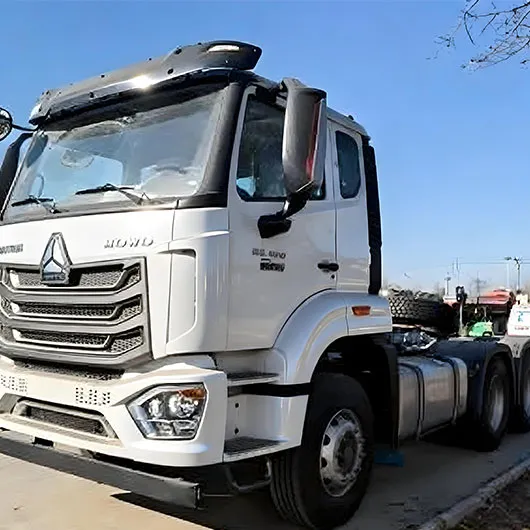
Before buying a tractor unit, first define the job. What will the truck haul? Where will it drive? How many hours will it work each day? Will it move containers, tankers, machines, or refrigerated cargo?
Then check the engine, axle, transmission, cab, tires, braking system, and fifth wheel. Each part affects safety and cost. If the truck works in hot climates or rough terrain, durability becomes even more important.
Practical Buying Checklist
- Cargo type and weight
- Trailer type and kingpin height
- Road condition and terrain
- Required axle configuration
- Gross vehicle weight and gross combination weight
- Local emission standard
- CDL or driver license rules
- Left-hand drive or right-hand drive
- New or refurbished preference
- Suministro de piezas de repuesto
- Expected fuel consumption
- Delivery port and export documents
A good supplier should help you compare these points. The goal is not only to sell a truck. The goal is to match the truck to your business.
Why Source Tractor Trucks from All Lifecycle?
All Lifecycle is backed by a Chinese manufacturing and export system. We supply overseas B2B buyers with new and refurbished heavy-duty trucks from brands such as Sinotruk and Shacman. Our main product range includes dump trucks, tractor trucks, cargo trucks, and specialized trucks.
We support importers, distributors, engineering contractors, mining companies, logistics fleets, and municipal project buyers. These buyers care about vehicle suitability, stable quality, pricing flexibility, export compliance, and long-term support.
Our service covers:
- Vehicle selection
- New and refurbished truck sourcing
- Configuration matching
- Customization support
- Export document assistance
- Shipping coordination
- Spare parts guidance
- After-sales service support
In real projects, many buyers do not need only one truck. They need a practical fleet solution. A logistics company may need tractor trucks and cargo trucks. A contractor may need dump trucks and lowbed trailer tractors. A municipal buyer may need special-purpose trucks.
That is where Todo el Ciclo de Vida can help.
Case Study: Matching a Tractor Truck to a Heavy Cargo Route
A buyer may ask for a low-cost tractor unit to move construction machinery. At first, a standard road truck may look enough. But after reviewing the route, we may find steep hills, hot weather, and oversized equipment.
In that case, a stronger axle layout, better braking system, and higher torque engine may be safer. The buyer may pay more at the start, but the truck will work with less stress. Fewer breakdowns. Better delivery control. Better business.
This is the practical value of professional selection. Price matters. But matching matters more.
Final Thoughts
A tractor truck is a power unit designed for pulling trailers and moving heavy cargo. It plays a major role in long-haul logistics, container transport, tanker work, machinery movement, construction supply, and many other freight operations.
Compared with a straight truck, a tractor truck offers more trailer flexibility and stronger heavy-duty potential. Compared with small rigid trucks, it can handle larger and heavier cargo. But it must be matched carefully to the trailer, road, driver rules, and project needs.
If you are looking for new or refurbished heavy-duty trucks from China, Todo el Ciclo de Vida can help you compare models, configurations, prices, export options, and after-sales support. Contact us to discuss your cargo, route, budget, and target market.
Preguntas Frecuentes
What is a tractor truck?
A tractor truck is a heavy-duty truck designed mainly to pull trailers. It works as the power unit in a tractor-trailer combination and connects to the trailer through a fifth wheel.
Is a tractor truck the same as a semi-truck?
In many markets, yes. People often use semi-truck, tractor truck, truck tractor, and tractor unit to describe the front power unit that pulls a semi-trailer. Local naming may vary.
What is the difference between a tractor truck and a straight truck?
A straight truck carries cargo on its own fixed body. A tractor truck pulls a separate trailer. A straight truck is often used for local delivery, while a tractor truck is better for heavy freight and long-distance transport.
What is a tractor truck used for?
A tractor truck is used to haul containers, tankers, flatbeds, refrigerated trailers, lowbed trailers, bulk trailers, and other semi-trailers. It is common in logistics, construction, mining support, and heavy cargo transport.
Can a tractor truck pull different trailers?
Yes. One tractor truck can pull different trailers if the fifth wheel, axle rating, braking system, and legal weight limits match. This flexibility is one of the main reasons fleets use tractor trucks.
Solicitar presupuesto
Le responderemos dentro de 24 horas. Si es un caso urgente, por favor añada WhatsApp/WeChat: +86 17686600717. O llame directamente al +86 17686600717.
*Respetamos su confidencialidad y toda la información está protegida.
Sólo utilizaremos sus datos para responder a su consulta y nunca le enviaremos correos electrónicos o mensajes promocionales no solicitados.