











SHACMAN F3000 Cargo Truck and Dump Truck Guide for Heavy-Duty Projects
Finding the right cargo truck or dump truck for rough roads, heavy loads, and export projects is hard. A poor choice can raise repair costs, slow delivery, and hurt profits. The right solution is to match the truck to the job, budget, road condition, and long-term service plan.
The SHACMAN F3000 is a proven heavy-duty platform used in logistics, construction, mining, and municipal work. It is popular because it offers strong load performance, flexible axle options like 6×4, durable parts, and practical export value for buyers who need both new and refurbished truck solutions.
When I speak with overseas buyers, I often notice the same concern: they do not simply want a truck. They want a machine that fits local roads, local fuel quality, local maintenance skills, and local project budgets. That is why the shacman f3000 remains a strong option in many markets. It is not only about price. It is about practical use, reliability, and the ability to keep working under pressure.
For B2B buyers, the value goes even deeper. Importers, distributors, engineering contractors, mining firms, logistics fleet owners, and municipal buyers often compare trucks by total business value, not just by the invoice amount. They want steady quality, flexible configuration, export support, and dependable after-sales communication. In that context, the F3000 platform continues to attract attention in the global heavy-duty truck industry.
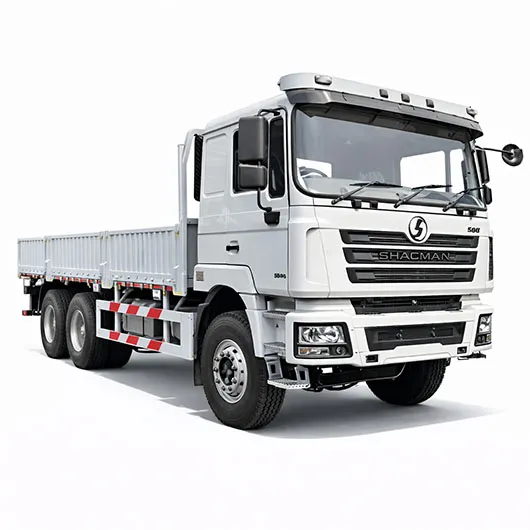
Why is the SHACMAN F3000 still popular in the heavy-duty truck market?
The first reason is simple: the f3000 series was built for hard work. Buyers in developing and project-based markets still need rugged commercial vehicles that can handle uneven roads, heavy cargo, and long working hours. The shacman f3000 is widely recognized as one of those practical heavy trucks.
The second reason is platform flexibility. A buyer may need a cargo truck for general freight, a dump truck for construction material, or even a tractor truck for longer-haul trailer operations. The same family can support multiple uses. That helps distributors and fleet buyers reduce complexity when planning mixed procurement.
Another reason is brand familiarity. In many overseas markets, buyers already know truck shacman products through project fleets, dealers, and operator experience. Familiarity matters. It helps with spare parts, driver acceptance, resale value, and service planning.
What makes the SHACMAN F3000 cargo truck suitable for real transport work?
A good cargo truck needs more than power. It must balance chassis strength, fuel economy, part availability, and body configuration. The shacman f3000 cargo truck is valued because it can be adapted to many real transport tasks, from regional building material delivery to agricultural hauling and industrial freight.
The frame is designed for load-bearing performance, while the axle setup and suspension system help the truck remain stable under pressure. When the truck is equipped with the right cargo box, side wall design, and chassis specification, it can serve many common B2B transport missions. That includes factory supply, project delivery, quarry support, and logistics and transportation work.
I also see many buyers focus on driver comfort more than before. A practical cab, enough storage, a clear control layout, and decent ride support all matter. The shacman f3000 cargo truck cab is designed with day-to-day use in mind. In export markets where trips are long and road quality varies, that helps reduce driver fatigue and improve real operating efficiency.
Typical cargo uses
- Building materials
- Agricultural products
- General industrial goods
- Municipal delivery jobs
- Regional freight and long-distance supply routes
Is the SHACMAN F3000 dump truck better for construction and mining jobs?
For many buyers, the answer is yes, especially when the work involves sand, gravel, ore, rock, or earthmoving. A dump truck is not just a cargo truck with a tipping body. It is a working tool built for repeated loading and unloading cycles, harsh sites, and demanding ground conditions.
The shacman f3000 dump truck is often chosen because of its strong chassis design, proven hydraulic tipping structure, and field-friendly repair logic. On construction sites and mine access roads, buyers want durability more than fancy features. They need a truck that can keep moving material every day.
This is why the f3000 dump truck remains appealing for contractors and project buyers. It is ideal for construction, municipal debris transport, and some quarry operations. For many users, the real selling point is adaptability. The same truck family can be configured for city projects, infrastructure jobs, and rougher regional work. That matters when project conditions change.
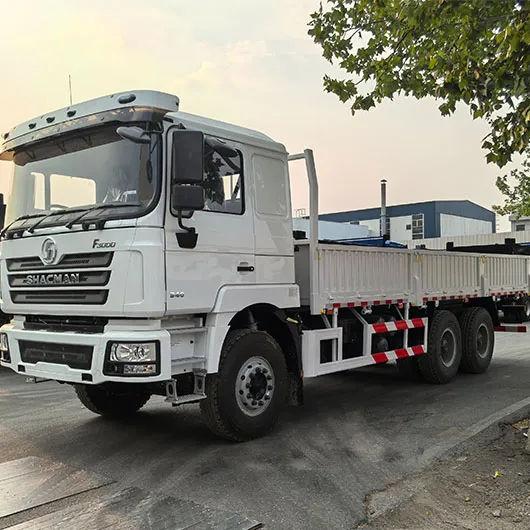
How do axle, suspension, and chassis design affect performance?
A truck’s real value often comes down to the parts buyers do not notice first. The axle, frame, and suspension system shape how the truck handles weight, road shock, and long-term wear. In simple terms, these systems decide whether a truck feels stable, durable, and worth owning.
The axle setup influences traction, balance, and how well the truck handles different load conditions. For heavy project work, buyers want a strong axle specification that can manage repeated pressure without early fatigue. This is especially important in dump truck and municipal applications.
The suspension matters just as much. Some buyers ask about air suspension for specific road transport needs, while others prefer simpler heavy-duty mechanical systems for rougher use. In more demanding discussions, buyers may also compare standard systems with hydraulic suspension concepts in specialty applications. In practical terms, what matters most is matching the suspension type to the road and the load.
A good chassis also needs smart details: enough ground clearance, a protected battery box, and a strong fuel tank layout. These details improve daily operation and reduce unnecessary downtime.
What engine and drivetrain strengths help the F3000 handle demanding tasks?
Power matters, but usable power matters more. Buyers want a powerful engine that can move weight reliably, start well in tough conditions, and remain serviceable in real markets. That is one reason the weichai engine is often mentioned in export truck discussions.
Many F3000 configurations use a weichai powertrain, which is known in many countries for practical service support and solid heavy-duty performance. A reliable diesel engine is still the core of many export fleet decisions. Buyers want torque, fuel efficiency, and long-term maintenance confidence. They do not want a truck that looks good on paper but struggles in the field.
Transmission matching also plays a major role. The truck must support hill starts, site mobility, highway cruising, and repeated load changes. This is where the f3000 series stands out for many users. It aims to combine proven drivetrain logic with reliable technologies, not unnecessary complexity. For businesses handling tough freight and project transport, that approach makes sense.
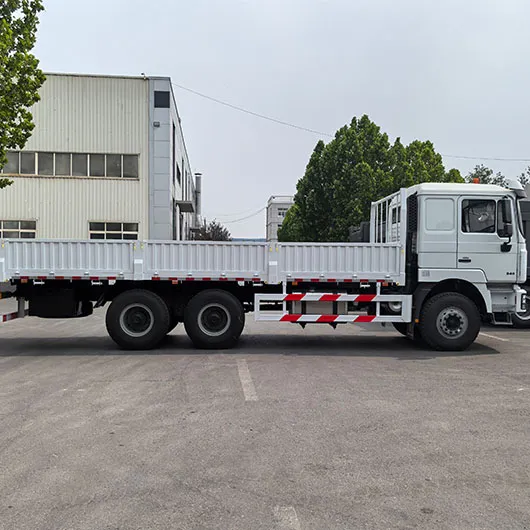
How does the SHACMAN F3000 compare with other tractor truck and cargo truck options?
The F3000 platform is often compared with other Chinese and regional truck models in the same class. Buyers usually ask whether it performs better as a cargo truck, a tractor truck, or a tipping platform. The answer depends on the job, but the F3000 stays competitive because it balances cost, durability, and export practicality.
When compared with a pure tractor truck, the F3000 cargo or dump configuration may offer more body flexibility for buyers focused on direct transport missions. When compared with a lighter lorry, it gives stronger structure and better support for harder work. That is why many importers keep it in their heavy-duty portfolio.
In some markets, buyers also compare it with newer designs such as x3000 6×4 products. Newer designs may offer styling or comfort upgrades, but many project buyers still like the F3000 because it has a more established reputation in parts circulation and field experience. In B2B truck procurement, proven use often beats marketing claims.
Buyer decision factors
- Body type needed
- Road conditions
- Fuel quality
- Repair skill availability
- Parts access
- Upfront budget
- Total service life cost
What should B2B buyers check before choosing a SHACMAN F3000 truck for sale?
The phrase truck for sale sounds simple, but serious buyers know the real work starts after that. A truck listing does not tell you enough. You need to study configuration, origin, compliance, and support conditions before making a purchase decision.
First, confirm whether the truck is new or refurbished. Many overseas buyers now like flexible procurement, where one order may combine new and used units. That helps meet different budgets and project phases. Second, check body type, drive layout, and intended use. A cargo truck for sale is not automatically right for mining, and a dump truck built for city debris may not be ideal for quarry haulage.
Third, inspect the export side. This includes shipping options, documents, inspection reports, and configuration transparency. A strong supplier should explain vehicle selection clearly and support body customization, spare parts planning, and post-sale communication. That matters far more than a low headline price.
Buyer checklist
- New or refurbished?
- Correct body and wheel configuration?
- Export documents ready?
- Spare parts support available?
- Chassis and axle spec confirmed?
- Body dimensions and load capacity matched to job?
- Clear service promise after delivery?
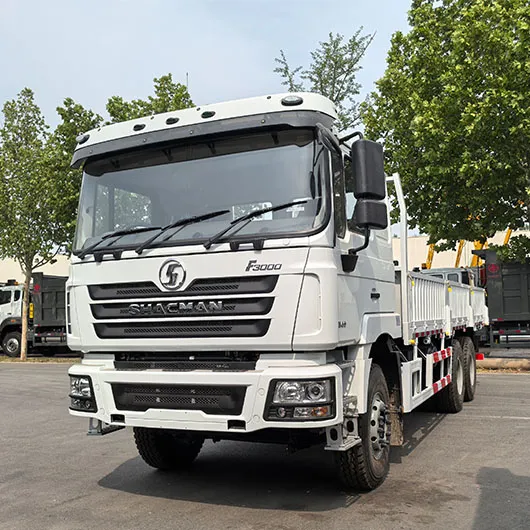
Is the SHACMAN F3000 a smart long-term choice for mining, logistics, and municipal projects?
For many buyers, yes. The shacman f3000 is attractive because it was built for hard use and broad application. It supports many transportation needs, from aggregates and ore to building materials and daily freight. It works in businesses that care about uptime, simplicity, and predictable service.
In mining support, the truck’s strong structure, durable tipping system, and high-horsepower options make it useful for repeated short-haul cycles. In logistics, a cargo truck version can support regional and long-distance transport where durability still matters. In municipal work, the platform can be adapted for cleanup, construction supply, and even body-based specialty uses.
That is why many buyers describe the F3000 as a practical heavy-duty truck rather than a fashion-driven product. It is built to work. And in B2B truck buying, that is still what matters most.
FAQs
What is the SHACMAN F3000 mainly used for?
The shacman f3000 is widely used for freight hauling, construction material transport, mining support, and municipal work. Depending on body type, it can work as a cargo truck, dump truck, or even in other heavy project transport roles.
Is the SHACMAN F3000 available in 6×4 and 8×4 versions?
Yes. Buyers commonly choose 6×4 for balanced freight and mixed road conditions, while 8×4 is often selected for heavier payload work and more intense construction or bulk transport tasks.
Is the SHACMAN F3000 good for export markets?
Yes. It is popular in many export markets because of strong structure, serviceable parts, practical configuration choices, and good value for fleets that need durable heavy trucks rather than overly complex models.
Can I buy both new and refurbished SHACMAN F3000 trucks?
Yes. Many B2B buyers now combine new and refurbished units to match budget, project stage, and operational risk. This works especially well for contractors, dealers, and fleet operators with mixed duty levels.
What should I confirm before buying a SHACMAN F3000 cargo truck?
You should confirm whether the truck is new or used, its axle configuration, body type, engine, documents, spare parts support, and whether the full setup matches your actual routes and loads.
Is the F3000 better as a cargo truck or a dump truck?
It depends on the job. The shacman f3000 cargo truck is better for freight and general transport, while the dump version is better for earthmoving, sand, gravel, mining support, and site hauling.
Final thoughts
If you are sourcing a high quality shacman f3000 for export business, the key is not just choosing a model. The real goal is choosing the right specification, body style, and support system for your market. The F3000 remains valuable because it is practical, durable, and flexible across many B2B applications.
For importers, contractors, mining firms, and fleet buyers, that is exactly what matters. You need a truck that fits real roads, real budgets, and real operational needs. Whether you need a freight-focused lorry, a site-ready dump truck, or a mixed fleet solution, the F3000 platform deserves serious attention.
If you are reviewing options for your next project fleet, now is a good time to compare configurations, confirm application needs, and speak with an export partner that understands both vehicle supply and long-term service.
Get a Quote
We will reply you within 24 hours. If for urgent case, please add WhatsApp/WeChat: +86 17686600717,. Or call +86 17686600717 directly.
*We respect your confidentiality and all information are protected.
We will only use your information to respond to your inquiry and will never send unsolicited emails or promotional messages.