











Sinotruk HOWO 6×4 Fuel Tanker Truck: A National VI Fuel Tanker Guide for Safe Fuel Delivery
Autore: Alllifecycle
Data di pubblicazione: 2026-04-09
Buying the wrong fuel tanker truck can create leaks, compliance risk, slow unloading, and expensive downtime. That gets worse when fleets run long routes or work under stricter rules. The smart fix is a reliable Sinotruk HOWO tanker built for safe transfer, legal operation, and steady daily use.
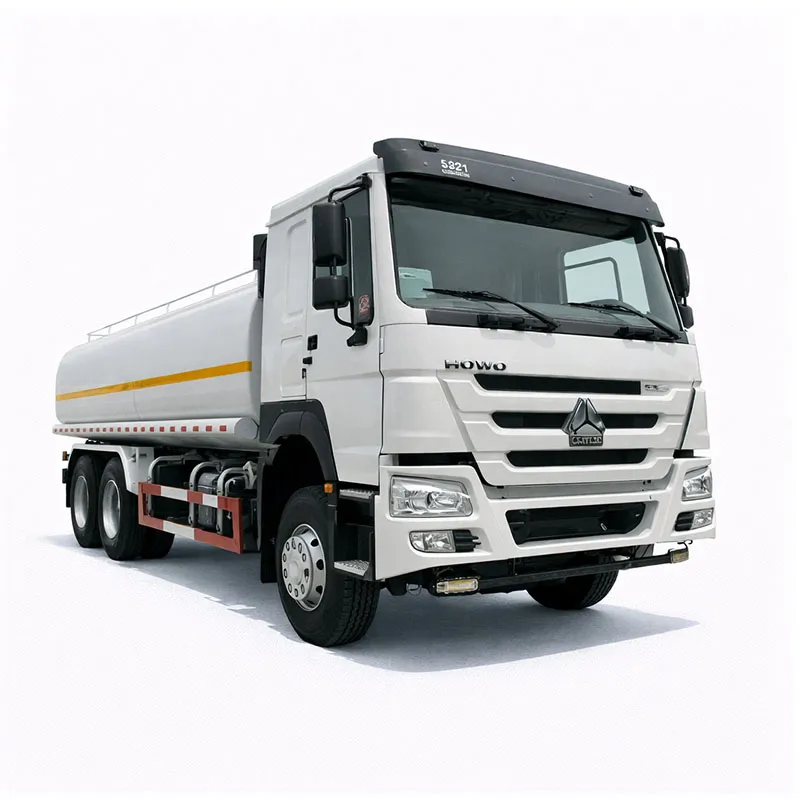
Il Sinotruk HOWO National VI Fuel Tanker Truck is a 6×4 heavy-duty tanker for compliant fuel delivery, on-site refueling, and long-distance transport. It uses a reinforced HOWO chassis, a 10–25 CBM carbon steel tank, a high-pressure pump with digital flow meter, and safety systems such as anti-leak design, explosion-proof protection, static grounding, and emergency shut-off control.
When I look at what serious overseas buyers care about, I see the same pattern again and again. They are not simply asking for tanker trucks. They want the right body, the right emission level, safe loading and unloading, export support, and long-term service. That is where All Lifecycle’s model fits well. The company positions itself as a China-based exporter of new and refurbished Sinotruk and Shacman trucks, with integrated support covering vehicle selection, customization, shipping, and after-sales help for importers, contractors, mining users, logistics fleets, and municipal buyers.
Why is a Sinotruk HOWO fuel tanker important for modern tanker trucks?
A professional fuel tanker is not just a storage tank on wheels. It is a working system for safe transfer, route efficiency, and legal operation. On the product page, the truck is presented as a National VI-compliant fuel transport solution for logistics, construction, municipal supply, and on-site fueling. That tells buyers this is built for real-world commercial use, not just basic transport.
In my experience, that matters more than flashy claims. A fleet that delivers fuel every day needs safety and stability, accurate transfer, and less risk from spills or operator error. This is why a purpose-built howo fuel tanker usually creates more value than trying to adapt a general tractor or cargo platform for a job it was not made to do.
For many B2B buyers, the business case is simple. One good fuel tanker truck supports depots, work sites, backup supply, and mobile delivery in one package. That is a strong reason why Sinotruk HOWO models stay relevant in export markets.
What makes the Sinotruk HOWO 6×4 fuel tanker truck different?
The biggest difference is that the truck is designed from the start for compliant fuel delivery. The page lists a reinforced heavy-duty HOWO chassis, National VI diesel power, and a 10–25 CBM fuel tank configuration. It also includes the safety features buyers expect in modern tanker trucks: anti-leak tank construction, explosion-proof protection, static grounding, and emergency shut-off systems.
That package gives the truck a more complete role than a simple fuel tank truck. It is not only for carrying liquid. It is also meant to unload efficiently, protect the product, and operate under stricter rules. The site specifically says the truck is built for safe fuel delivery, large-volume storage, and compliant operation.
I think this is what makes the Sinotruk HOWO fuel tanker attractive. Buyers are not forced to piece together the solution from separate components. The truck is equipped as a true fuel-delivery unit from the start.
Why does the 6×4 drive format suit a fuel tanker so well?
A 6×4 layout is a very practical balance for many fuel-delivery jobs. It usually offers more carrying support than 4×2, while staying more flexible than the biggest 8×4 solutions. The product page confirms this model uses a 6×4 drive type, which is one reason it suits municipal supply, construction fueling, and long-haul routes.
Liquid loads behave differently from dry cargo. When a truck turns, brakes, or moves over uneven surfaces, the load shifts. That is why the 6×4 drive format is valuable. It supports better stability for a full tank and helps the vehicle remain predictable under tough road conditions.
If I were advising a buyer, I would say this: choose 4×2 for lighter urban work, 6×4 fuel tanker for the broad middle of professional operations, and consider 8×4 only when route size and volume truly require it. For many fleets, a 6×4 fuel tanker truck is the sweet spot.
What safety systems help a HOWO fuel tanker truck avoid pressure and leaks?
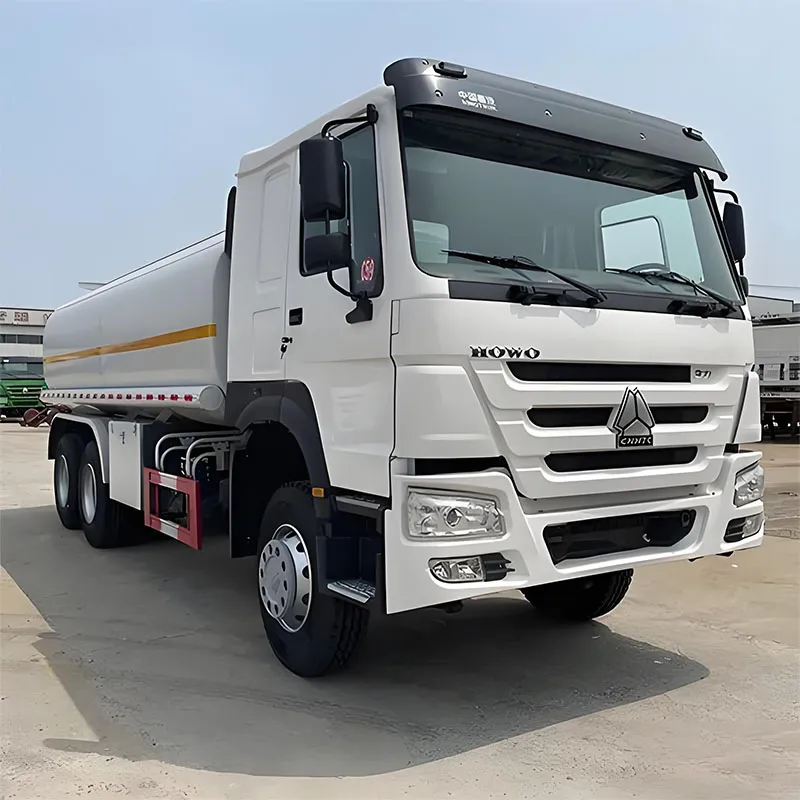
Through pressure-tested tank, explosion-proof devices, static grounding, emergency shut-off valve control from both the cab and outside the truck, plus reflective markings and anti-collision guards. These features are there to reduce pressure and leaks risk and improve safe handling during operation.
A modern howo tanker truck needs more than a good body. It needs clear control over emergencies. Static protection matters when moving flammable liquids. Emergency shut-off control matters when operators need to stop flow quickly. Anti-leak design matters every day, not just in rare events.
I like that the site keeps the safety explanation practical. It does not bury the buyer in jargon. It explains the truck as a professional fuel solution with integrated safety, which is exactly what B2B customers want to hear.
How does this tanker compare with trailer, tractor, and other truck categories?
Many buyers do not purchase in one category only. They compare a fuel tanker, a trailer solution, a tractor, or even a semi fuel setup depending on route size and market demand. Some fleets prefer a rigid truck. Others need a tanker trailer or semi solution for higher volume.
All Lifecycle’s wider site positioning helps here. The company sells dump trucks, tractor trucks, cargo trucks, and special vehicles, and it supports both new and used sourcing. That makes it easier for buyers to compare a dump truck tractor truck cargo lineup, or even a truck tractor truck cargo truck mix, instead of shopping every category through different sellers.
This is useful in real B2B work. A distributor may buy tanker trucks, then later add a mixer truck, a dump truck, or even a tractor truck cargo truck mixer combination for a broader customer base. A construction contractor may need a fuel-delivery unit plus a mixer or support truck in the same project cycle.
Why do National VI diesel standards matter for a heavy-duty truck buyer?
Compliance is often the difference between a smooth project and a costly delay. National VI one of the core selling points, saying the truck is engineered for safe, compliant, and efficient fuel transportation. It also lists a National VI diesel engine from SINOTRUK or WEICHAI, with manual gearbox and automatic optional.
For buyers in stricter or changing markets, this matters a lot. A non-compliant truck can create problems with import rules, operation permits, or future fleet planning. A National VI model gives buyers more confidence when dealing with regulatory pressure and long-term asset use.
I do not think buyers should treat emissions as a side topic. It is a core purchase filter now. Whether you are looking at a 350hp diesel engine, a HOWO family powertrain, or a heavier-duty spec, compliance still comes first.
What customization and after-sales support should buyers expect from a supplier?
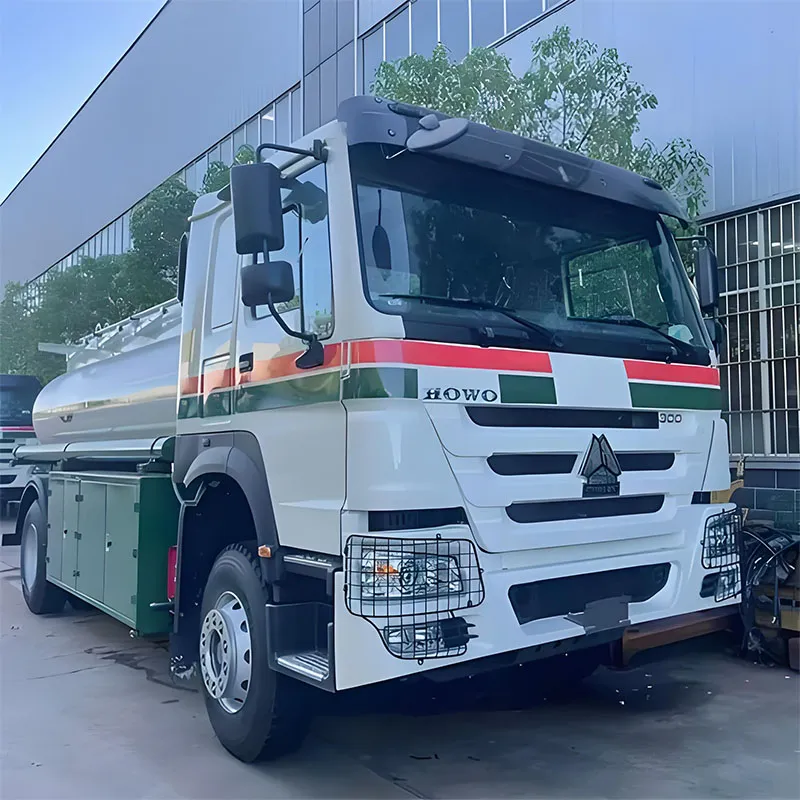
The page states that customization is available for drive type, engine power, emission standard, body configuration, internal coating, pump system, and application-oriented setups. It also says the truck can be configured for urban fuel delivery, long-haul logistics, construction sites, and on-site refueling.
That is exactly what a serious supplier should offer. Good configuration support helps match the truck to the road, the load, and the destination rules. Just as important, All Lifecycle says it provides inspection before delivery, photos and videos before shipment, long-term technical support, remote help, and spare-parts assistance.
For me, that is one of the most important selling points in the whole offer. A Sinotruk HOWO truck is not a retail purchase. It is a working asset. Buyers want the truck, but they also want confidence in after-sales support.
What good support looks like
- Configuration help before order
- Pre-delivery inspection
- Export paperwork and shipping coordination
- Spare-parts support
- Remote technical guidance
- Advice on fleet matching and application use
Should buyers consider 4×2, 6×4 25000L, or 8×4 for tanker truck Sinotruk projects?
This depends on the duty cycle. A howo 4×2 may suit lighter routes and smaller urban deliveries. A 6×4 25000l style truck is often better for mixed commercial and project work. An 8×4 can make sense when volume, terrain, or route scale becomes larger.
In simple terms, choose by route reality, not by ego. Bigger trucks are not always better. The right truck is the one that can legally run your route, carry the needed volume, and still unload safely and efficiently.
FAQ
What is the Sinotruk HOWO National VI fuel tanker usato per?
È utilizzato per la consegna di carburante conforme nella logistica, costruzione, fornitura municipale, supporto di emergenza per il carburante e rifornimento in loco. La pagina del prodotto lo presenta come una soluzione professionale per il trasporto di carburante per questi scenari.
È un camion cisterna per carburante 6×4?
Sì. La specifica tecnica sulla pagina indica il tipo di trazione come 6×4.
Quale dimensione del serbatoio offre il camion cisterna HOWO?
La capacità del serbatoio elencata è compresa tra 10 e 25 CBM, a seconda della configurazione.
Quali sistemi di sicurezza sono inclusi nel camion?
Design anti-perdita, dispositivo a prova di esplosione, sistema di messa a terra statica, valvola di emergenza, protezioni anti-collisione, marcature riflettenti e test completo del sistema prima della consegna.
Il camion può essere personalizzato per diversi mercati?
Sì. Tutto il ciclo di vita dice che supporta la personalizzazione per tipo di trazione, potenza del motore, standard di emissione, configurazione del corpo, materiale del serbatoio e configurazione del sistema di alimentazione.
Il fornitore fornisce supporto post-vendita e di spedizione?
Sì. Il sito dice che gestisce la documentazione per l'esportazione, coordina la spedizione e fornisce supporto tecnico a lungo termine, assistenza per i ricambi e supporto remoto quando necessario.
Richiedi un preventivo
Ti risponderemo entro 24 ore. In caso di emergenza, aggiungi WhatsApp/WeChat: +86 17686600717. Oppure chiama direttamente +86 17686600717.
*Rispettiamo la tua riservatezza e tutte le informazioni sono protette.
Utilizzeremo solo le tue informazioni per rispondere alla tua richiesta e non invieremo mai email indesiderate o messaggi promozionali.