











Camion cisterna SHACMAN Automobili da 20m³: Guida pratica per il trasporto di carburante in bulk
Autore: Alllifecycle
Publish Time: 2026-04-02
Choosing the wrong tank truck can lead to leaks, unstable handling, slow unloading, and wasted money. That problem grows fast when routes are long and delivery schedules are tight. The better solution is a purpose-built fuel tanker truck with the right tank system, chassis, and export support.
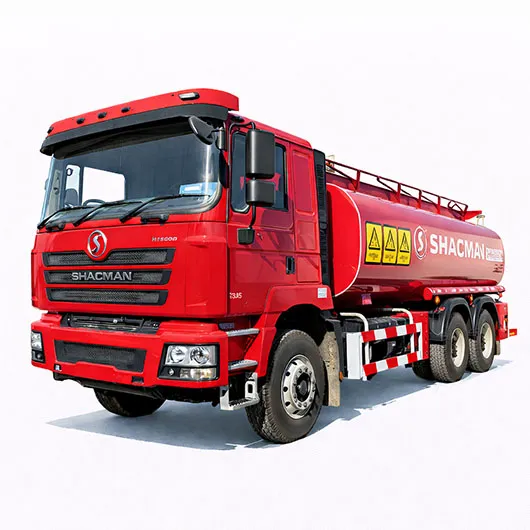
Un SHACMAN Automobile 20m³ Fuel Tanker Truck is a heavy-duty tanker built for safe, efficient fuel distribution. On All Lifecycle’s product page, it is positioned for long-distance fuel logistics, with optional Weichai or Cummins power, a 20 m³ tank, optional compartment design, aluminum alloy fittings, and an integrated dispensing system for stable fuel transfer.
If you buy trucks for projects, depots, distributors, or fleet operations, you already know this: the truck itself is only half the decision. The other half is matching the configuration to your routes, fuel type, regulations, and service plan. That is where All Lifecycle tries to stand out. The company presents itself as a China-based export-oriented truck supplier working with brands such as Shacman and Sinotruk, while also offering new and high-quality used trucks, customization, export handling, and after-sales support for overseas B2B buyers.
Why is the SHACMAN 20m³ fuel tanker truck attractive to overseas buyers?
The biggest reason is fit. A good fuel tank truck must carry liquid cargo safely, stay balanced on real roads, and support efficient unloading at the destination. The product page describes this model as a purpose-built fuel transportation solution for safe, efficient, and precise delivery of petroleum products, especially in long-distance distribution and bulk fuel logistics.
I also think buyers like clear, practical configurations. This shacman model is not presented as a flashy concept. It is shown as a working automobile for real fleet tasks: stable handling, accurate dispensing, and corrosion-resistant tank components. That is exactly what importers and project buyers usually care about most.
For B2B customers, flexibility matters too. All Lifecycle states that it supplies both new trucks and high-quality used trucks for global markets, which helps buyers combine budget control with fleet planning. For a distributor or contractor, that can mean pairing one new tanker with one used sinotruk howo support truck or adding a refurbished dump truck to the same order.
What makes a 20m³ tanker different from smaller tanker trucks?
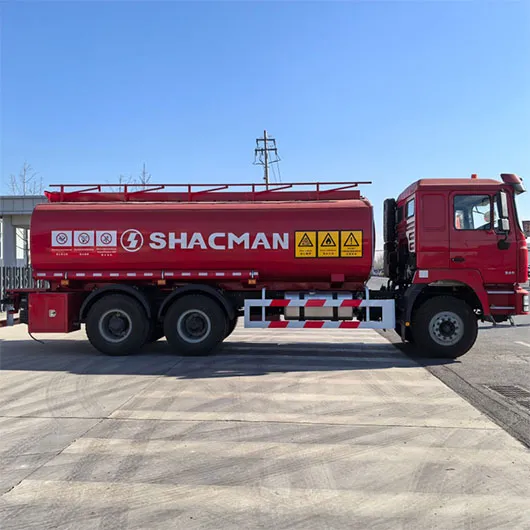
Capacity changes the business case. A 20m³ tanker gives buyers a stronger balance between payload and route efficiency than many smaller tanker trucks. On the product page, the tank capacity is clearly stated as 20 m³, which equals about 20cbm or 20 cubic meters, and that directly supports higher-volume fuel distribution work.
In practical terms, more capacity can reduce trip frequency. That matters for fleet operators serving depots, fuel stations, industrial customers, or project sites. A bigger tank truck can move more diesel or other refined products per trip, which can lower labor cost and improve route economics when the roads and regulations allow it. This is especially useful in medium- and long-distance fuel delivery scenarios, which the page specifically highlights.
Of course, bigger is not always better. The right size depends on road width, turning limits, daily delivery pattern, and unloading conditions. But for many professional buyers, a shacman 20m³ model hits the sweet spot between capacity and workable mobility.
Why does the 6×4 SHACMAN truck layout matter for fuel transport?
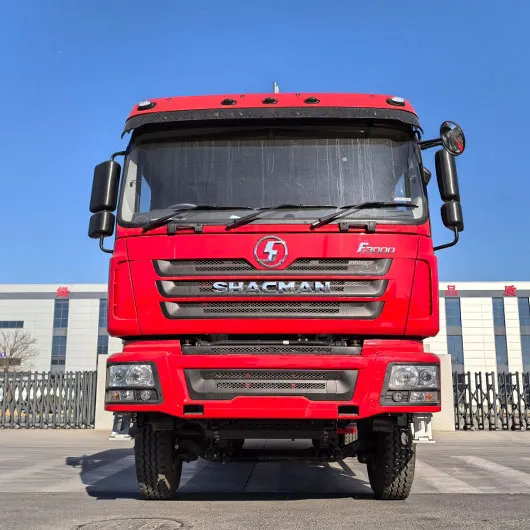
The product page lists drive type as “as configured,” but the market commonly pairs this kind of model with a 6×4 heavy chassis, and your keyword direction clearly reflects that buying logic. For fuel hauling, a 6×4 layout is widely valued because it gives good balance between load support, stability, and route practicality. Combined with 10 wheels, it usually suits serious road transport without the complexity of the largest configurations.
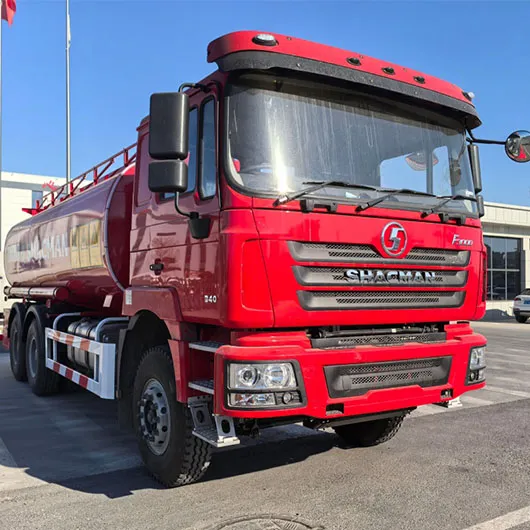
A liquid load behaves differently from dry cargo. Fuel moves inside the tank under braking, turning, and uneven surfaces. That is why the truck’s axle logic, suspension behavior, and mounting design matter so much. All Lifecycle’s page specifically says the truck has a well-balanced chassis and tanker layout, plus an optimized tanker structure and mounting design to improve stability and safety when carrying liquid fuel.
For many buyers, that makes a shacman truck like this more practical than forcing a smaller 4×2 into work it was not built for. A 4×2 might suit lighter regional service, but a serious fuel tanker truck for bulk delivery often needs stronger support. At the same time, some fleets may later scale into 8×4 or semi trailer tanker systems when route density and volume grow.
What tank structure and fuel system details should buyers check first?
This is where a professional tanker proves its value. All Lifecycle highlights several key system details: optional compartmentalized tank design, 20-inch aluminum alloy manhole covers, aluminum alloy subsea valves, fuel nozzles, flow meters, and a copper gear oil pump. Those are not decorative specs. They directly shape sealing reliability, corrosion resistance, dispensing accuracy, and long-term service performance.
The optional compartment design is especially useful. It lets operators transport multiple fuel types at once. For example, one buyer may need diesel in one section and another refined product in another. That improves route flexibility and helps the same tank truck serve mixed delivery needs.
I always tell buyers to study what happens inside the tank, not just outside it. Tank segmentation, sealing design, manhole access, and valve quality all affect safety and operating efficiency. If you move oil fuel, gasoline, or other petroleum products daily, those details are where maintenance cost and delivery accuracy are won or lost.
Key tank and fuel system items
- Optional compartmentalized tank structure
- Coperchi di accesso in lega di alluminio da 20 pollici
- Aluminum alloy subsea valve design
- Integrated nozzle and flow meter
- Copper gear oil pump
- Multi-point sealing for leakage prevention
È il SHACMAN 20m³ fuel tanker truck only for diesel and gasoline delivery?
No. The page frames it around petroleum products, bulk energy delivery, and refined oils. It specifically mentions gasoline, diesel, and other refined oils in its application section, which shows that the truck is aimed at broader fuel transport, not one narrow liquid only.
That means the truck can fit several roles. It can work as an oil tanker truck for depot-to-station supply. It can act as a refueling truck for equipment fleets. It can support industrial sites that need controlled fuel transfer. In some operations, it may even function almost like a compact fuel truck alternative to larger tanker trucks or trailer systems.
I would not market it as a water truck or any unrelated service body, because this page is clearly written for fuel logistics. But I would absolutely highlight that one properly configured fuel tank truck can help operators refuel stations, machinery, project vehicles, and regional supply points more efficiently.
How does this SHACMAN tanker compare with other heavy truck categories?
This question matters because B2B buyers rarely buy one truck type in isolation. A distributor handling tanker trucks may also stock a cargo truck, dump truck, or crane truck. A contractor may need one fuel tank truck, one mixer truck, and one support tipper in the same quarter. All Lifecycle’s wider site structure reflects exactly that multi-category buying logic.
Compared with a cargo vehicle, this model is purpose-built for liquid handling. Compared with a dump truck, it focuses on sealed transport and precise discharge, not tipping. Compared with a shacman f3000 or sinotruk howo tractor-style haulage setup, it is a self-contained liquid logistics tool rather than a trailer puller.
That broader context actually helps sell the tanker. Buyers like seeing that the same exporter can also support Sinotruk, Shacman, and mixed-fleet sourcing. If one supplier can help with an oil tank truck, a howo 6×4 dump unit, and later a bulk-haul or municipal truck, the relationship becomes more valuable over time.
What customization options matter most for overseas buyers?
This product page gives one of the clearest answers: engine selection, tank structure, fuel system configuration, material and component selection, and application-oriented setup. In simple terms, the customization options are built around the job, not just cosmetics.
For example, a buyer may want a multi-compartment body, specific emission rules for the destination market, a certain dispensing arrangement, or a different drive type. All Lifecycle explicitly says specifications can be customized according to application, destination regulations, and customer requirements, including drive type, engine power, emission standard, and body configuration.
That is exactly what overseas B2B customers usually ask for. They want the truck to fit local work and local compliance. In my view, that is far more important than generic “best price” language. A tanker truck is engineered to solve a real transport problem, and the right customization is what turns a decent truck into a reliable fuel-delivery asset.
Richieste comuni degli acquirenti
- Engine brand and output
- Tank compartment count
- Flow meter and fuel dispenser setup
- Drive layout and market compliance
- Scelte materiali per resistenza alla corrosione
- Supporto per branding e documentazione per l'esportazione
Cosa dovrebbero chiedere gli acquirenti prima di richiedere un preventivo?
Inizia con il percorso e il prodotto. Dì all'esportatore cosa trasporterai, quanto lontano correrai e quali condizioni stradali affronterà il camion. La guida all'ordinazione nella pagina richiede specificamente agli acquirenti di condividere le attività di trasporto, il carico medio, le condizioni stradali, la distanza del percorso e le normative locali prima del preventivo.
Poi chiedi informazioni su spedizione, ispezione e supporto. All Lifecycle afferma che prepara i camion, esegue l'ispezione pre-consegna e fornisce foto di carico, programmi di spedizione e documenti di esportazione. Le FAQ affermano anche che vengono fornite foto e video riguardanti le condizioni del camion in stile Shacman prima della spedizione, e che è disponibile supporto tecnico a lungo termine insieme ad assistenza per i ricambi.
Qui è dove il ruolo dell'esportatore conta tanto quanto il camion stesso. Un acquirente serio non sta solo cercando un camion in vendita. Sta cercando un partner che comprenda configurazione, tempistiche di esportazione, documenti doganali e come mantenere il veicolo funzionante dopo l'arrivo.
Lista di controllo per il preventivo
- Prodotto da trasportare: diesel, benzina, oli raffinati o anche alcune discussioni riguardo il trasferimento di petrolio greggio, dove legalmente appropriato
- Capacità del serbatoio e necessità di compartimenti
- Gamma di potenza richiesta: 340hp, 380hp o altro
- Regole del mercato di destinazione
- Budget di spedizione e metodo preferito
- Necessità di ricambi e supporto remoto
Perché il modello di business di All Lifecycle attrae importatori e acquirenti di progetti?
Perché riduce l'attrito nell'approvvigionamento. Le FAQ dicono che l'azienda è un fornitore professionale di camion orientato all'esportazione in Cina che collabora strettamente con produttori leader come Sinotruk e Shacman, gestendo anche le proprie strutture di preparazione camion. Fornisce sia camion nuovi che usati di alta qualità e esporta principalmente in Africa, Medio Oriente, Sud-est asiatico, Asia centrale e Sud America.
Per un importatore, ciò significa che una sola fonte può coprire più categorie di camion. Per un acquirente di progetti, significa maggiori opportunità di combinare un nuovo camion cisterna Shacman con un camion di supporto ristrutturato o confrontare un'impostazione Shacman con un'alternativa Sinotruk Howo. Questo è molto utile quando i budget sono stretti ma il tempo di attività conta ancora.
Penso che questa sia la forza silenziosa dell'offerta. Non si tratta solo di un prodotto camion. Si tratta di aiutare un acquirente a costruire un piano di flotta praticabile.
Approfondimento del caso: quando un camion cisterna da 20m³ ha più senso di un'unità di flotta più grande?
Immagina un distributore di carburante regionale che serve diverse stazioni lungo percorsi urbani e autostradali misti. Un rimorchio enorme può trasportare di più, ma può essere più difficile da impiegare, più lento da scaricare in siti ristretti e meno flessibile per punti di consegna vari. Un camion cisterna da 20m³ spesso ha più senso pratico qui.
Ora immagina un appaltatore con clienti nel settore minerario e dei lavori stradali. L'azienda potrebbe gestire un camion cisterna Shacman per consegne di carburante regolari, un camion ribaltabile per materiali di cantiere e forse un mini dumper o un'unità di servizio per lavori di supporto minori. In tal caso, un camion cisterna di capacità media può mantenere in movimento il resto della flotta senza l'onere di un sistema di rimorchio a 3 assi più grande.
Ecco perché molti acquirenti non chiedono solo "Qual è il cisternone più grande?" Chiedono "Qual è il cisternone giusto per il mio percorso e i miei clienti?" Questa è la domanda più intelligente.
FAQ
A cosa serve principalmente il camion cisterna SHACMAN Truck cisterna da 20m³? A cosa viene utilizzato principalmente?
Viene utilizzato principalmente per la distribuzione di carburante in blocco, logistica petrolifera e consegna a lungo raggio di oli raffinati, come diesel e benzina. La pagina del prodotto lo posiziona specificamente per un trasporto di carburante sicuro ed efficiente.
Questo camion cisterna per carburante può essere personalizzato per diversi mercati?
Sì. All Lifecycle afferma che il camion può essere personalizzato in base al tipo di trazione, potenza del motore, norma di emissione, struttura del serbatoio e configurazione della carrozzeria in base all'applicazione e al mercato di destinazione.
Il camion supporta più tipi di carburante in un serbatoio?
Può. La pagina afferma che è disponibile un design di serbatoio compartimentato opzionale, che consente il trasporto simultaneo di diversi tipi di carburante.
Perché le valvole in lega di alluminio e i coperchi di accesso sono importanti?
Migliorano la resistenza alla corrosione, l'affidabilità della tenuta e la sicurezza operativa. Questi punti sono evidenziati specificamente nella panoramica del prodotto e nella sezione tecnica.
All Lifecycle vende solo camion nuovi?
No. Le FAQ dicono che l'azienda fornisce sia camion nuovi che usati di alta qualità per i mercati globali.
Come posso ottenere prezzi e raccomandazioni per la flotta?
La pagina del prodotto afferma che gli acquirenti dovrebbero contattare il team di vendita attraverso il modulo di richiesta sul sito e fornire dettagli sull'applicazione, quantità e paese di destinazione per ricevere una proposta accurata.
Richiedi un preventivo
Ti risponderemo entro 24 ore. In caso di emergenza, aggiungi WhatsApp/WeChat: +86 17686600717. Oppure chiama direttamente +86 17686600717.
*Rispettiamo la tua riservatezza e tutte le informazioni sono protette.
Utilizzeremo solo le tue informazioni per rispondere alla tua richiesta e non invieremo mai email indesiderate o messaggi promozionali.